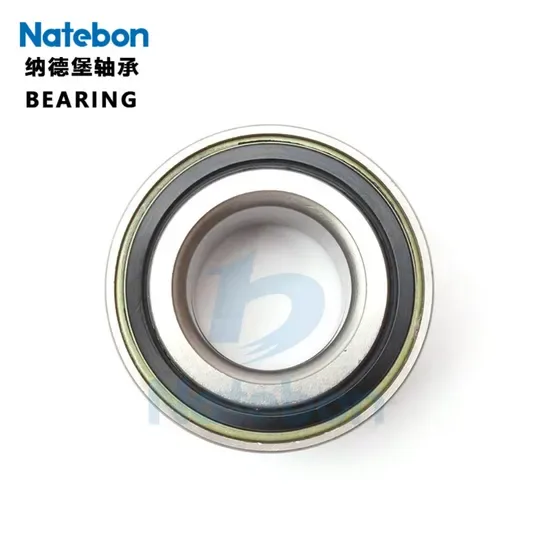
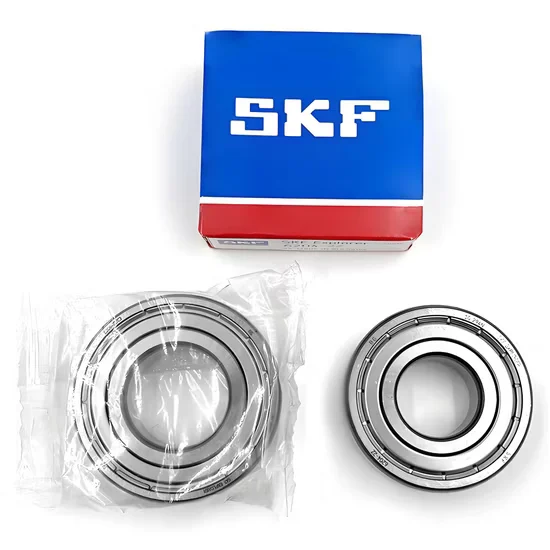
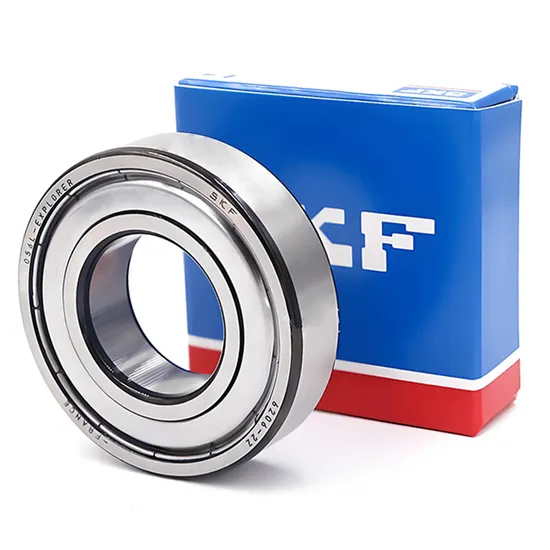
Listed data for this SKF designation; confirm the execution and dimensions against your drawing or application before ordering.
Authorized Channel Traceability — Every Natebon auto bearing wheel hub bearing we supply ships with batch-level documentation tracing back through verified distributor networks to the production lot.
Technical Specifications
| Parameter | Value |
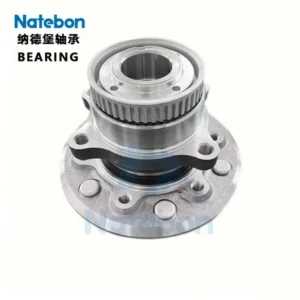
| Designation | Natebon Auto Bearing Wheel Hub |
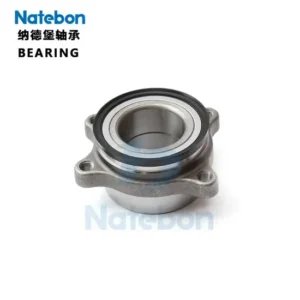
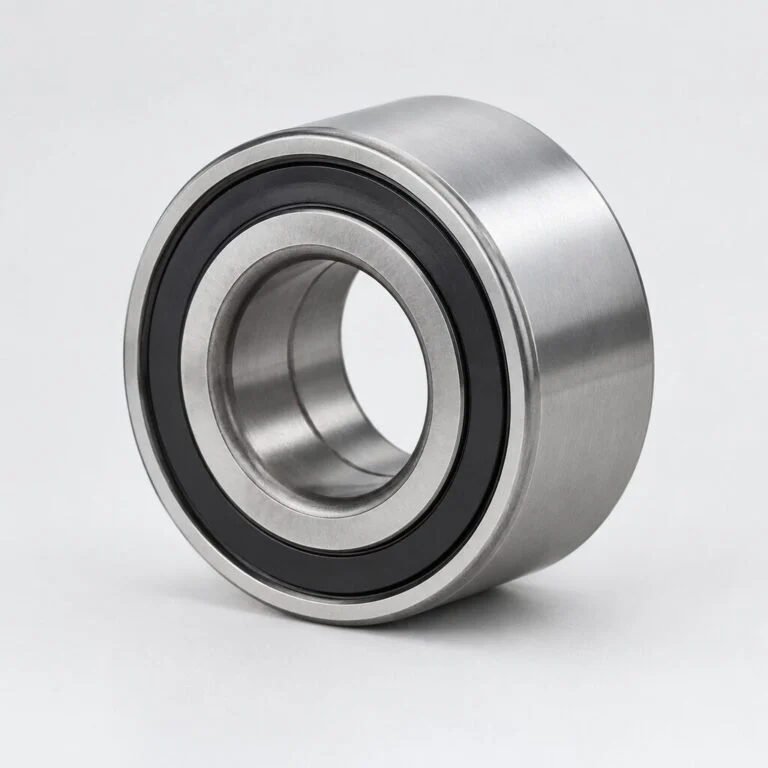
| Bearing Type | Wheel Hub Bearing (3rd Generation Hub Unit) |
| Material | Chrome Steel |
| Precision Class | P0 |
| Wheel Hub System | 3rd Gen Hub Unit |
| Steering System | EPS Bearings Compatible |
| Application | Passenger / Commercial Vehicles, Powertrain System |
| Origin | China |
| Customization | Available |
| Features | Safe, Long Lifespan, Lightweight, Eco-Friendly |
| Suitable Car Brands | Volkswagen, WuLing, Benz, BMW, Hyundai, Honda, Toyota, Jeep, Nissan, Ford, Buick, Chery, Chevrolet, Cadillac, Geely, Roewe, Audi, Peugeot, Lexus, Volvo, Mazda, Kia |
Note: Specific dimensional data (bore diameter, outside diameter, width, dynamic/static load ratings, limiting speed, weight, cage material, seal type, clearance class, and contact angle) are unverified suffixes or parameters not explicitly stated in the product identifier and must be confirmed against the manufacturer catalog before procurement.
Application Suitability
| Industry | Typical Applications |
| Automotive & Heavy Vehicle Repair | Passenger vehicle wheel hub assemblies, steering knuckle mounting points |
| Automotive Steering Systems | Electric Power Steering (EPS) column and rack bearing positions |
| Commercial Vehicle Maintenance | Light truck and van front/rear axle hub units |
| Powertrain Systems | Transmission shaft support and driveline intermediate bearing locations |
What Happens When Hub Unit Specs Get Overlooked on the Bench
Matching the base number is the easy part — the suffixes are where bearings live or die.
I spent years on the buying side, sitting across from distributors at trade shows and watching what goes wrong when procurement shortcuts the details. One job still stings: a luxury car hub unit cross-referenced by base number only, nobody checked the clearance class or precision suffix. The replacement ran hot within weeks, the cage cracked, and the workshop blamed the parts supplier. That hub failure could have been avoided with a two-minute suffix verification. When sourcing a Natebon auto bearing wheel hub bearing for a specific vehicle platform, the clearance, precision tolerance, and hub generation must all align with the OEM specification — not just the bore and outer diameter.

Matching the Hub Generation to the Vehicle Platform
Third generation hub units integrate the bearing, hub flange, and ABS sensor ring into a single pre-adjusted assembly. This Natebon auto bearing wheel hub bearing is designed as a 3rd Gen unit, meaning it bolts directly to the steering knuckle with the wheel flange already integrated. For passenger vehicles from platforms like Volkswagen, Toyota, Honda, or BMW, this eliminates the press-fit and preload adjustment steps that 1st and 2nd generation units demand. Workshops replacing hub units on modern EPS-equipped vehicles need this integration to maintain steering feedback and sensor alignment. We regularly cross-reference OEM equipment numbers against hub generation to confirm fitment before confirming a quote.
Load Paths, Thermal Cycles, and Steering Feedback
Wheel hub bearings endure combined radial and axial loads that shift with every corner, braking event, and road impact. In EPS-equipped vehicles, the bearing also supports steering column feedback — any excess play or friction translates directly into driver feel. Chrome steel construction provides the hardness and fatigue resistance needed for these cyclic loads, while the P0 tolerance class meets standard automotive wheel hub precision requirements for passenger and commercial vehicles. Temperature swings from cold starts to sustained highway speeds create thermal expansion cycles that affect internal clearance; selecting the correct clearance class for the vehicle's operating climate is essential to prevent binding or looseness. Lubrication in sealed 3rd Gen units is factory-filled and maintenance-free, making seal integrity critical for long service life.
Decoding the Specs That Matter in the Field
Chrome steel material, typically equivalent to GCr15 or SAE 52100, provides through-hardening to approximately HRC58-62 on raceways and rolling elements. This hardness resists brinelling under shock loads common in pothole strikes and curb impacts. The P0 precision class defines standard running accuracy suitable for wheel hub applications where ultra-precision spindle grades are unnecessary but consistent dimensional tolerance prevents vibration and uneven tire wear. The 3rd generation hub unit design eliminates field adjustment — the bearing arrives pre-set with the correct preload, removing installer variability that causes early failures in 1st and 2nd gen press-fit replacements. For EPS steering positions, the bearing's internal geometry must accommodate combined loads without generating excess friction torque that would interfere with electric assist calibration.
The Hidden Invoice Behind a Wrong Hub Unit
Correct selection backed by traceable sourcing keeps vehicles on the road; wrong clearance or a counterfeit hub unit creates costs that compound. An underspecified hub bearing in a commercial delivery vehicle can progress from subtle ABS sensor dropout to complete flange separation. Counterfeit hub units with soft inner rings — identifiable only through metallurgical verification — fail catastrophically under normal loads, voiding downstream warranties and exposing the supply chain to liability. ISO 15243 classifies these failures across fatigue, wear, corrosion, and electrical erosion categories, and field returns consistently show that a significant share originates from specification mismatch or inauthentic supply rather than manufacturing defect.
What We Bring to Your Procurement Workflow
Our sourcing model operates through authorized distributor channels rather than single-brand distributorship, which means we can supply genuine Natebon auto bearing wheel hub bearing units alongside cross-brand interchange comparisons when lead times or availability require substitution. Every interchange we prepare matches on clearance class, hub generation, and precision grade — not just the base designation. Batch traceability documentation accompanies each shipment, and we provide country-of-origin certification to clear import requirements in markets across the Middle East, Africa, Latin America, and Central Asia. When a workshop or distributor receives our hub units, the material certificates and dimensional inspection reports are already in the box, not requested after a failure investigation.
Documentation & Authenticity
- Supplier Certificate of Conformity confirming chrome steel material grade and P0 dimensional tolerance for each batch of Natebon auto bearing wheel hub bearing units
- Third-party dimensional inspection reports verifying hub flange runout and bore geometry before dispatch
- Batch and lot traceability records linking each hub unit to its production run and heat treatment cycle
- Country-of-origin documentation prepared for import compliance, including HS code classification support for automotive bearing categories
- Material test certificates confirming GCr15/SAE 52100 equivalent chrome steel chemistry and through-hardness values
Storage, Handling & Mounting
- Keep 3rd Gen hub units in original sealed packaging until the moment of installation; premature opening exposes the integrated ABS sensor ring to contamination
- Store chrome steel hub bearings in a dry, temperature-stable environment to prevent condensation corrosion on precision-ground raceways before mounting
- Use clean gloves when handling the hub flange mounting surface to avoid transferring skin oils that accelerate fretting corrosion on the knuckle interface
- Follow vehicle manufacturer torque specifications for hub-to-knuckle fasteners; over-torquing distorts the outer ring and collapses internal clearance in the 3rd Gen unit
- Verify EPS sensor alignment after installation by performing a steering angle calibration; misalignment creates parasitic drag on the bearing and premature wear
Getting the Right Hub Unit to Your Dock
Share the vehicle VIN or OEM equipment number so we can cross-reference the exact hub generation, clearance class, and sensor configuration required. If you are replacing across a fleet or multi-brand workshop, provide the application list and we will prepare a consolidated interchange chart with matched specifications for each position. Request the documentation package in advance to confirm import compliance before committing to the order.
Frequently Asked Questions
Q: How can I verify bearing authenticity and avoid counterfeit wheel hub units?
A: Authentic verification starts with traceable documentation — we provide supplier COC, material certificates, and batch records for every hub unit. Counterfeit hub bearings often use soft inner rings that pass visual inspection but fail under load. We recommend checking material hardness values against the chrome steel specification and verifying batch numbers through available documentation channels rather than relying on packaging appearance alone.
Q: What distinguishes 1st, 2nd, and 3rd generation wheel hub units?
A: 1st generation requires press-fit installation and manual preload adjustment. 2nd generation integrates the outer ring with a flange but still requires press-fit on the inner ring. 3rd generation, like this Natebon wheel hub bearing, integrates both flanges into a single pre-adjusted assembly that bolts directly to the knuckle, eliminating field adjustment and reducing installation errors.
Q: How do I select the correct tolerance class for wheel hub applications?
A: P0 is the standard tolerance class for most automotive wheel hub applications, providing adequate running accuracy for passenger and commercial vehicles. Higher precision classes like P6 or P5 are specified for high-speed or vibration-sensitive positions. We verify the tolerance class against the OEM specification during cross-reference matching.
Q: What material specifications should I verify when sourcing chrome steel hub bearings?
A: Confirm the steel grade meets GCr15 or SAE 52100 equivalent standards, verify through-hardening reaches the appropriate hardness range on raceways and rolling elements, and review the heat treatment certificate for each batch. Chrome steel chemistry and proper quenching determine fatigue life under cyclic wheel loads.
Q: How do I ensure proper cross-reference matching for aftermarket hub bearing replacement?
A: Match beyond the base number — verify hub generation, clearance class, precision tolerance, ABS sensor compatibility, and bolt pattern. We prepare interchange charts that align these parameters across platforms, reducing the risk of field failures caused by suffix mismatches.
Confirm Your Hub Unit Specification
Send us the OEM part number or vehicle platform details, and we will return a matched specification with full documentation and lead time.