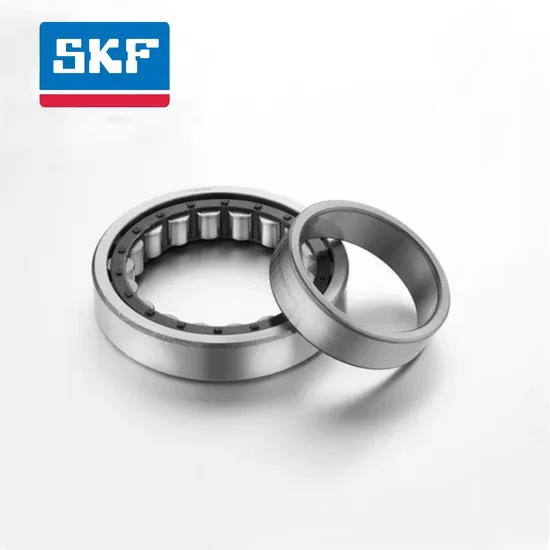
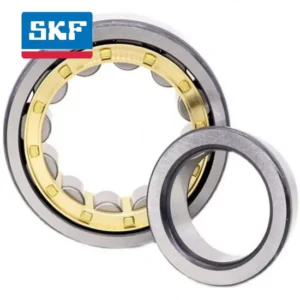
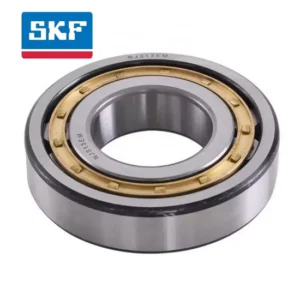
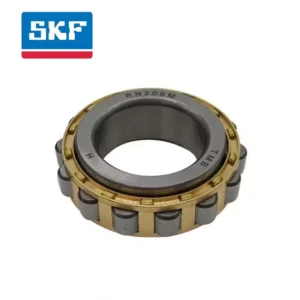
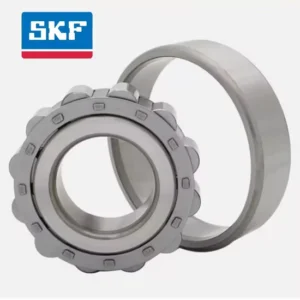
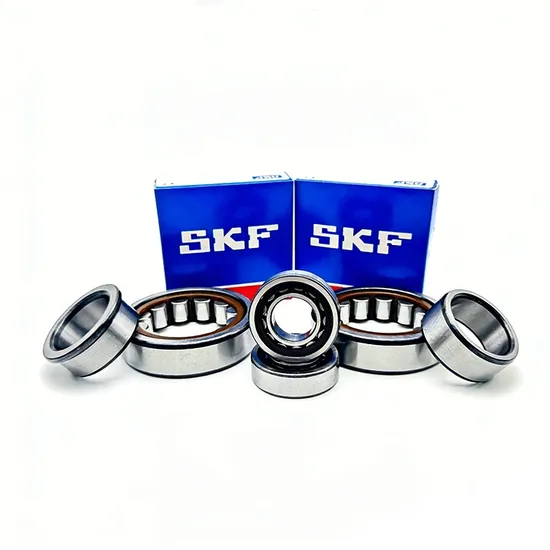
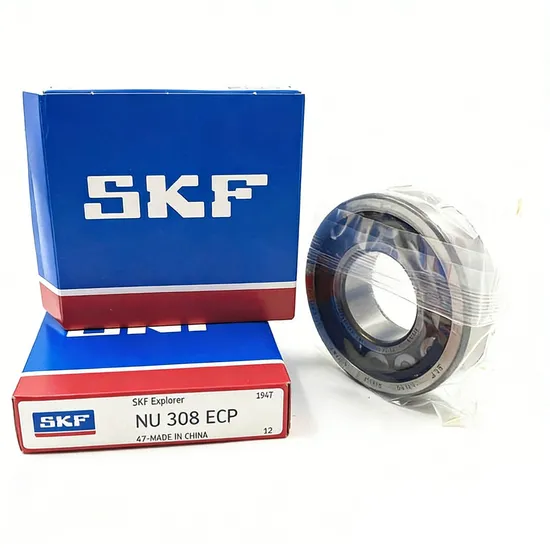
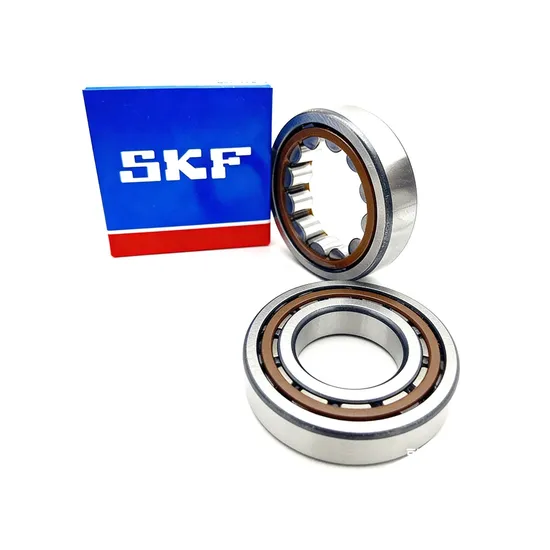
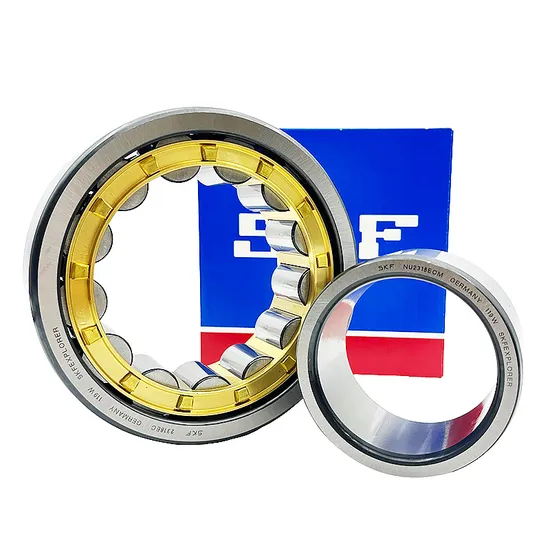
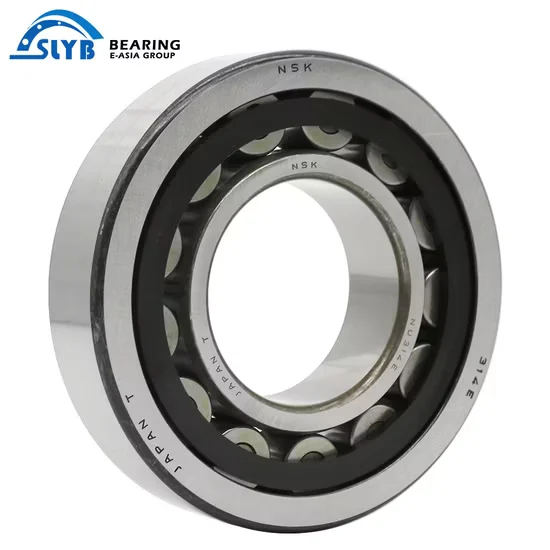
Listed data for this SKF designation; confirm the execution and dimensions against your drawing or application before ordering.
Full Batch Traceability — Every SKF N314-Ec M unit ships with verifiable mill certificates linking directly to the original production run.
Technical Specifications
| Parameter | Value |
| Designation | SKF N314-Ec M |
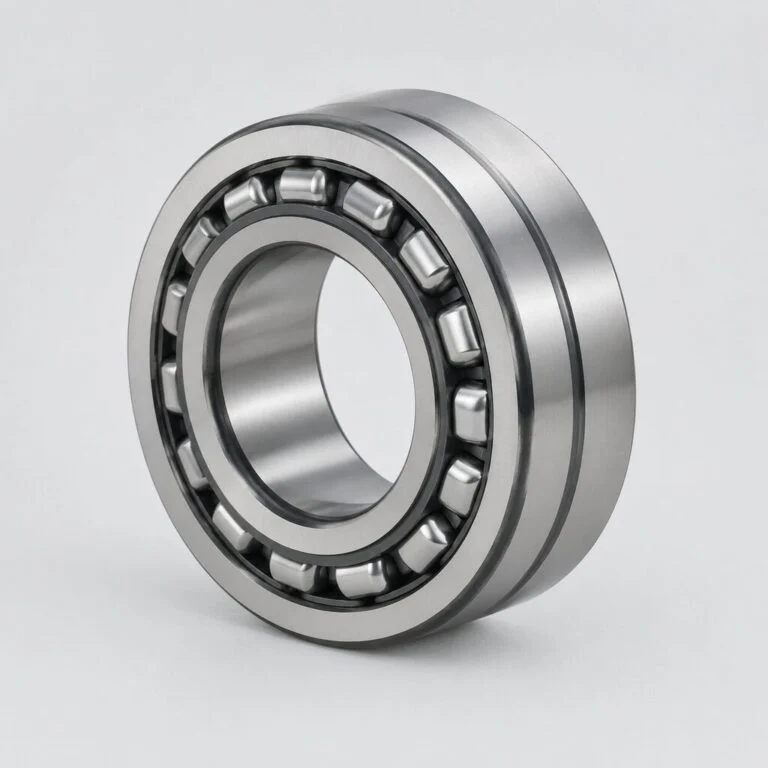
| Bearing Type | Cylindrical Roller Bearing |
| Number of Rows | Single |
| Material | Bearing Steel |
| Separated | Separated |
| Clearance Class | C0, C2, C3, C4, C5 |
| Cage Material | Brass, Steel |
| Vibration | Z1V1, Z2V2, Z3V3 |
| Hardness | 60-64 HRC |
| Origin | Jiangsu China |
| Internal Design | Optimized for increased load carrying capacity (E) |
| Cage Type | Machined brass cage (M) |
Note: The 'c' suffix remains an unverified designation requiring manufacturer catalog confirmation.
Application Suitability
| Industry | Typical Applications |
| Heavy Machinery | Heavy-duty gearboxes |
| Metallurgy | Rolling mills |
| Railway Transit | Traction motors |
Why Gearboxes Destroy Cages Before the SKF N314-Ec M cylindrical roller bearing Fails
Vibration-induced fatigue cracks propagate rapidly in stamped steel cages under continuous radial shock loads.
During extensive field failure analysis at a Vietnamese steel plant, substituting a machined brass cage with a stamped steel variant to cut initial procurement costs resulted in early cage fracture under high vibration, halting the entire production line for days. Premature cage failure often precedes severe roller damage, turning a minor component swap into a catastrophic unplanned downtime event. When radial shock loads exceed the structural limits of pressed steel, the cage pockets deform, leading to roller skewing and accelerated wear.

Matching Machined Brass Architecture to Severe Mill Environments
When sourcing critical rotating components for extreme radial loads, the SKF N314-Ec M cylindrical roller bearing provides the necessary structural rigidity and vibration damping. Our engineering team actively supports cross-brand equivalent model consultation and technical selection to ensure this specific brass-caged configuration aligns perfectly with your heavy-duty gearbox requirements. We stock genuine products alongside reliable domestic lines, giving you flexible sourcing options without compromising on the critical cage material, preventing mismatched installations that often plague generic replacements.
Managing Radial Shock and Thermal Expansion in Rolling Mills
Rolling mill applications continuously subject bearings to immense radial shock loads and significant temperature fluctuations across the housing. Selecting the appropriate clearance class from the available C0 to C5 range is absolutely critical to accommodate thermal expansion without inducing excessive internal preload that generates destructive friction heat. Proper oil lubrication must be rigorously maintained to manage operating temperatures, while the separable design greatly simplifies routine inspection and maintenance in heavily contaminated industrial environments. Ignoring these thermal dynamics inevitably leads to premature seizure.
Decoding the E and M Suffixes for Load and Stability
The 'E' suffix indicates an optimized internal design, maximizing the radial load carrying capacity through improved roller profiling and increased contact area. While the broader product family is available in brass or steel cage variants, the 'M' suffix strictly designates a machined brass cage, which offers superior structural strength and vibration damping compared to pressed steel alternatives. Available in multiple clearance classes, this configuration adapts perfectly to varying thermal conditions and fit requirements. Understanding these specific suffixes prevents catastrophic misapplications in traction motors and heavy gearboxes.
The Downtime Multiplier of Ignoring Cage Material Specifications
Specifying a standard stamped steel cage for high-vibration gearboxes inevitably leads to premature structural failure and extensive secondary damage. According to ISO 15243 frameworks, cage wear and fracture are primary failure modes when dynamic stresses consistently exceed material fatigue limits. Such failures cause catastrophic damage to adjacent rollers and raceways, immediately voiding equipment warranties and multiplying maintenance costs through extended line stoppages. The true cost is never just the replacement part, but the lost production revenue during the unscheduled rebuild.
Securing Authentic Cylindrical Roller Components Through Verified Channels
Counterfeit or downgraded cages represent a pervasive risk in the industrial aftermarket; we guarantee the 'M' suffix genuinely represents a machined brass cage, never a cheaper stamped substitute. Our massive spot inventory covers thousands of standard part numbers, ensuring rapid fulfillment for urgent maintenance requirements across global facilities. By utilizing our flexible MOQ options, you can order a single emergency spare or consolidate full container shipments without sacrificing authenticity. Every shipment is backed by rigorous inspection services to confirm the exact specifications match your engineering drawings.
Documentation & Authenticity
- Certificate of Conformity verifying the exact SKF N314-Ec M designation and production batch.
- Original factory batch traceability linking the machined brass cage to its metallurgical source.
- Official app QR code scanning for immediate anti-counterfeiting verification on site.
- Material inspection reports confirming the 60-64 HRC hardness of the bearing steel rings.
- Dimensional inspection reports validating C0 to C5 clearance tolerances before dispatch.
Storage, Handling & Mounting
- Store the separable inner and outer rings in original packaging to prevent humidity-induced corrosion on the bearing steel.
- Use induction heating for the inner ring mounting, strictly controlling temperature to preserve the C3 or C4 clearance.
- Apply clean gloves when handling the machined brass cage to avoid acidic sweat contamination.
- Ensure the heavy-duty gearbox housing is perfectly aligned to prevent edge loading on the optimized E-profile rollers.
- Verify the Z1V1 to Z3V3 vibration standards using precision dial indicators during the final assembly check.
Preparing Your Operating Parameters for Technical Review
To finalize your selection and guarantee optimal performance, please provide detailed radial load figures, operating speeds, and expected temperature ranges for accurate L10 life calculation. Sharing your specific OEM equipment numbers allows our technical team to perform precise cross-reference checks and verify dimensional compatibility. Supplying these exact operating parameters ensures the chosen clearance class and cage material perfectly match your specific application demands, eliminating guesswork and preventing costly installation errors.
Frequently Asked Questions
Q: How do I interpret the E and M suffixes on this bearing?
A: The 'E' suffix denotes an optimized internal design for higher radial load capacity, while 'M' specifies a machined brass cage for high-vibration stability. Always verify these suffixes against the official catalog to ensure the component perfectly matches your heavy-duty gearbox specifications and prevents catastrophic misapplications.
Q: What clearance class should I select for high-temperature rolling mill applications?
A: High-temperature environments cause the inner ring to expand more than the outer ring, reducing internal clearance. Selecting a C3 or C4 clearance class compensates for this thermal expansion, preventing excessive preload and friction. Consult our technical team with your exact operating temperatures to determine the optimal clearance for your specific rolling mill setup.
Q: How can I verify the authenticity of the machined brass cage?
A: Authenticity is confirmed by scanning the QR code using the official manufacturer app and reviewing the original factory batch traceability documentation. We also provide material inspection reports that verify the cage material. Never accept a bearing where the heavy brass cage has been substituted with a lighter stamped steel variant to cut costs.
Q: What mounting practices are recommended for this separable cylindrical roller bearing?
A: The separable design allows independent mounting of the inner and outer rings. Use induction heating for the inner ring, monitoring the temperature carefully to avoid altering the bearing steel hardness. Ensure precise alignment of the gearbox housing to prevent uneven load distribution across the optimized roller profile during operation.