
Ball Bearing Maintenance Checklist for Workshops: Genuine SKF/NSK Wholesale Supplier
Most workshop bearing failures stem from contamination and improper installation, not product quality.
A strict Ball Bearing Maintenance Checklist prevents unplanned downtime by addressing the real killers: dirty grease, brute-force mounting, and moisture ingress during storage. Technicians often blame heavy loads or manufacturing defects when a bearing seizes, but industry reliability reports consistently show that handling errors account for the majority of premature failures. Implementing a standardized inspection and lubrication protocol ensures that genuine components perform as designed, extending service life meaningfully and reducing total cost of ownership.
Moving from theoretical specifications to shop-floor reality requires more than just reading a manual. It demands an understanding of how environmental factors and human habits interact with precision engineering. The following guide breaks down the critical stages of bearing lifecycle management, integrating professional methods with practical insights gained from field experience in harsh industrial environments.
Why Do Bearings Fail Prematurely in Workshops?
Contamination and improper handling are the real killers, not the load capacity.
It is counter-intuitive to many MRO managers that a bearing rated for heavy loads can fail quickly in a relatively light application if the maintenance protocol is flawed. The primary culprit is rarely the metal itself but what gets into it. In mining operations, for instance, contaminated grease containing fine particulate matter acts as an abrasive paste inside the raceway. This leads to premature seizure and surface distress long before the expected fatigue life is reached.
Another common misconception is that more lubrication equals better protection. Over-greasing is a frequent cause of overheating and seal blowouts. When excess grease is packed into a housing, it creates churning resistance, generating heat that degrades the lubricant and damages the sealing elements. This thermal stress can compromise the structural integrity of the bearing cage and rolling elements.
Field observations in heavy industry reveal that improper mounting force is equally destructive. Using hammers or direct impact tools to install bearings damages the rings and rolling elements, creating micro-cracks that propagate under load. The correct approach involves using hydraulic presses or induction heaters to ensure uniform expansion and seating without mechanical shock. Understanding these failure modes is the first step in constructing an effective Ball Bearing Maintenance Checklist that addresses root causes rather than symptoms.
What Are the Essential Pre-Installation Checks?
Verify storage conditions, cleanliness, and dimensional tolerances before unpacking.
Before a bearing ever touches a shaft, its fate is often determined by how it was stored and handled. Moisture ingress during storage is a silent destroyer, particularly in humid climates or coastal regions. Rust onset can begin subtly on the rolling elements or raceways, leading to pitting and vibration once the unit is operational. Checking humidity levels in storage areas and ensuring packaging remains intact until the moment of installation is critical.
Visual inspection is the first line of defense. Look for signs of corrosion, damaged seals, or dented packaging. Even minor cosmetic damage can indicate deeper structural issues. For critical applications, measuring internal clearance using dial indicators provides quantitative data on the bearing’s condition. This step verifies that the bearing has not been compromised during transit or storage.
Dimensional verification is another non-negotiable step. Shafts and housings must be measured to ensure they meet the required tolerances. A shaft that is too tight can cause excessive preload, while one that is too loose can lead to creeping and fretting corrosion. Using precise measurement tools ensures that the fit is correct, preventing installation-induced stress.
| Inspection Point | Acceptable Condition | Rejection Criteria |
|---|---|---|
| Packaging | Intact, dry, labeled | Torn, wet, unlabeled |
| Visual Surface | Clean, smooth, no rust | Pitting, scratches, corrosion |
| Seals | Flexible, intact, seated | Cracked, detached, hardened |
| Dimensions | Within specified tolerance | Out of tolerance, deformed |
These pre-installation checks form the foundation of a robust Ball Bearing Maintenance Checklist. Skipping them invites failure, regardless of the bearing’s brand or quality. Ensuring that every unit meets these standards before installation minimizes the risk of early-life failures and supports long-term reliability.
How to Execute Proper Mounting and Lubrication?
Use correct tools to avoid impact; apply exact grease volumes.
Mounting a bearing is a precision task, not a brute-force exercise. The use of impact tools like hammers is strictly prohibited as they transmit shock waves through the rolling elements, causing immediate damage. Instead, technicians should employ hydraulic presses, induction heaters, or specialized mounting tools that apply uniform force or heat. This ensures the bearing expands evenly and seats correctly on the shaft without damaging the rings.
Lubrication is equally critical. The type and amount of grease must match the operating conditions. Over-greasing leads to churning and overheating, while under-greasing results in metal-to-metal contact and rapid wear. Calculating the correct grease volume based on bearing size and speed is essential. Manufacturer technical manuals provide specific guidelines for grease quantities, which should be followed rigorously.
In harsh environments, such as those found in steel mills or cement plants, selecting the right lubricant is vital. Greases with high viscosity bases and appropriate additives can resist water washout and withstand high temperatures. Regular analysis of the lubricant can reveal early signs of wear or contamination, allowing for proactive maintenance before failure occurs.
A common error observed in workshops is mixing different types of grease. Incompatibility between base oils or thickeners can lead to softening or hardening of the lubricant, compromising its protective properties. Always clean out old grease completely before applying new lubricant, and ensure compatibility if a change in brand or type is necessary.
By adhering to these mounting and lubrication principles, technicians can significantly extend bearing life. This disciplined approach is a core component of any effective Ball Bearing Maintenance Checklist, ensuring that each installation contributes to overall equipment reliability rather than becoming a future liability.
What Should the Routine Monitoring Checklist Include?
Track temperature, vibration, and lubricant condition regularly.
Once installed, bearings require ongoing monitoring to detect early signs of distress. Vibration monitoring is one of the most effective predictive maintenance tools. Changes in vibration patterns can indicate imbalance, misalignment, or developing defects in the rolling elements. Regular measurements allow technicians to identify trends and schedule maintenance before catastrophic failure occurs.
Temperature monitoring is another key indicator. A sudden rise in bearing temperature often signals insufficient lubrication, over-greasing, or excessive load. Infrared thermometers or mounted sensors can provide real-time data, enabling quick intervention. Establishing baseline temperatures for normal operation helps in identifying anomalies promptly.
Lubricant condition should also be assessed regularly. Sampling and analyzing grease can reveal the presence of wear metals, water, or contaminants. This information helps in adjusting lubrication intervals and selecting more suitable lubricants for specific applications. In some cases, oil analysis may be more appropriate, especially for high-speed or heavily loaded applications.
| Monitoring Parameter | Normal Indicator | Warning Sign | Action Required |
|---|---|---|---|
| Vibration | Stable, low amplitude | Increased amplitude, new frequencies | Investigate alignment, balance |
| Temperature | Stable, within range | Rising trend, hot spots | Check lubrication, load |
| Lubricant | Clean, consistent color | Darkened, gritty, watery | Sample analysis, replace |
| Noise | Quiet, uniform hum | Grinding, squealing, clicking | Inspect for damage, wear |
Routine monitoring transforms maintenance from reactive to predictive. By incorporating these checks into a daily or weekly routine, workshops can minimize unplanned downtime and optimize maintenance schedules. This proactive stance is essential for maintaining high availability in critical industrial processes.
Integrating these monitoring steps into your Ball Bearing Maintenance Checklist ensures that potential issues are caught early. This not only saves on repair costs but also enhances safety and operational efficiency. Consistent monitoring is the bridge between proper installation and long-term performance.
Conclusion
Strict adherence to maintenance protocols prevents premature failure.
Implementing a comprehensive Ball Bearing Maintenance Checklist shifts the focus from blaming product quality to mastering installation and care. By controlling contamination, using proper mounting tools, applying correct lubrication, and monitoring key parameters, workshops can significantly extend bearing life. This approach reduces unplanned downtime and lowers total maintenance costs, ensuring reliable operation in even the harshest industrial environments.
Products in this article
SKF bearings mentioned above
 01 Adapter Sleeves Genuine SKF Deep Groove Ball Bearings 6202-6218 for Washing Machine Parts View model details
 02 Deep Groove Ball Bearings Genuine SKF 62303 62302 62301 Deep Groove Ball Bearing Long Life Low Noise View model details
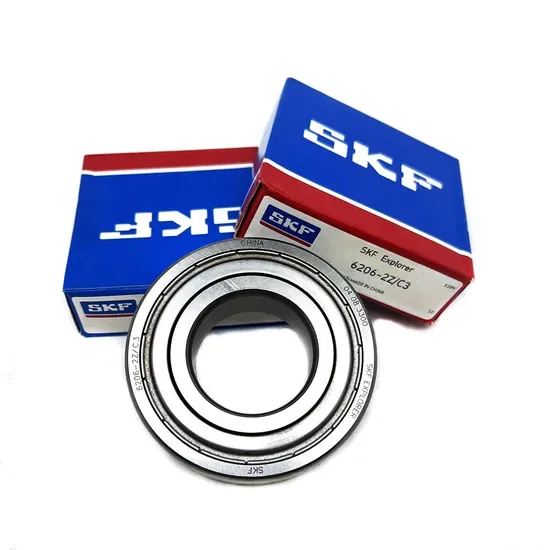 03 Deep Groove Ball Bearings SKF Deep Groove Ball Bearing 680 607 628 638 6000-6314 in Stock View model details
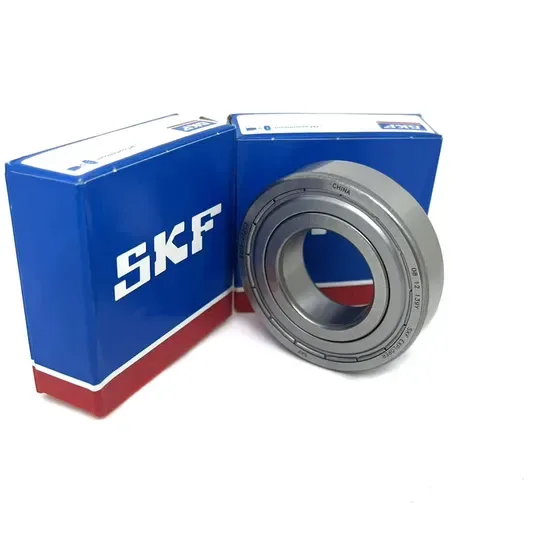 04 Deep Groove Ball Bearings SKF Stainless Steel Deep Groove Ball Bearing 6913-6918 602-608 Combined Load View model details
Applications
Where these SKF bearings are used
Keep reading
Related SKF bearing selection guides
More practical notes on SKF designations, precision items and project bearing lists from Project Purchasing Company.
Installation & Maintenance · · 9 min read Ball Bearing Life in Variable Speed Drives: Wholesale Supplier Standard L10 life calculations fail in variable speed drives due to electrical erosion and thermal degradation. Extend ball bearing life in variable speed drives… Read the guide  Installation & Maintenance · · 7 min read Corroded Ball Bearings Prevention Wet Sites: Wholesale Supplier Prevent corroded ball bearings in wet sites by prioritizing internal grease fill and contact seal integrity over superficial oiling. Upgrade to double-lip rubber seals,… Read the guide
 Installation & Maintenance · · 6 min read Fan Ball Bearing Vibration Signs: Genuine SKF/NSK Wholesale Supplier Identify ball bearing vibration signs in fans through systematic analysis to prevent catastrophic failures caused by counterfeit inventory. Learn step-by-step envelope diagnosis techniques and… Read the guide

Request a quote
Send your SKF list. Get one itemized written quote.
Project Purchasing Company supplies SKF ball, roller, precision and housed bearing units to distributors, repair workshops and project buyers worldwide. Standard and precision items are priced line by line, with accessories kept on the same quote.