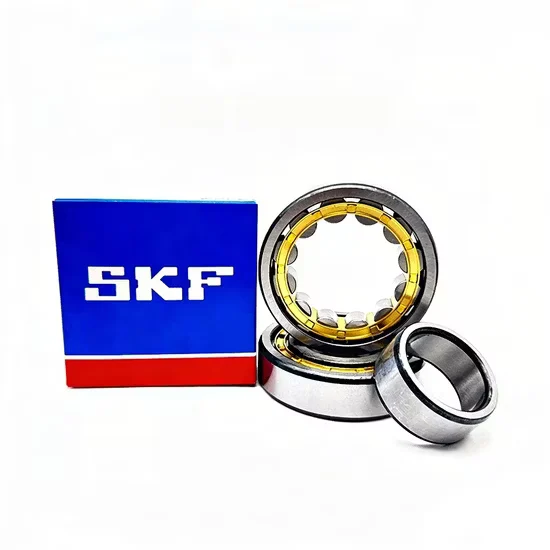
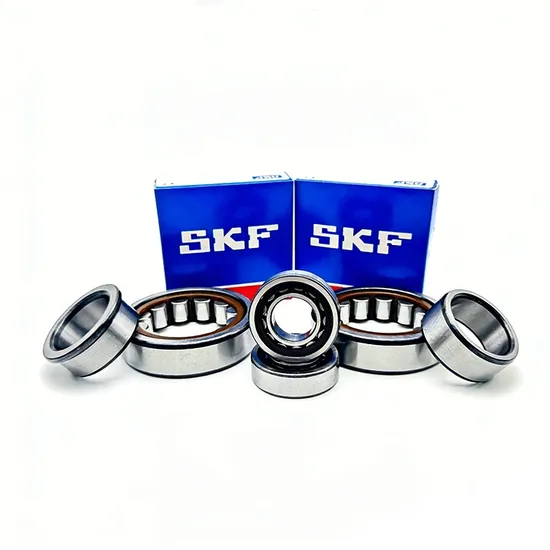
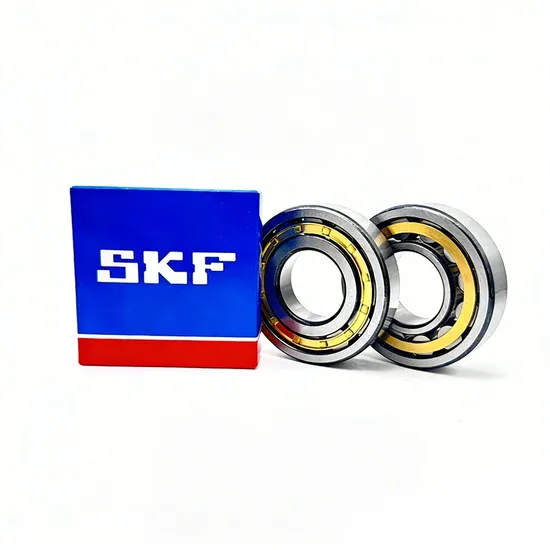
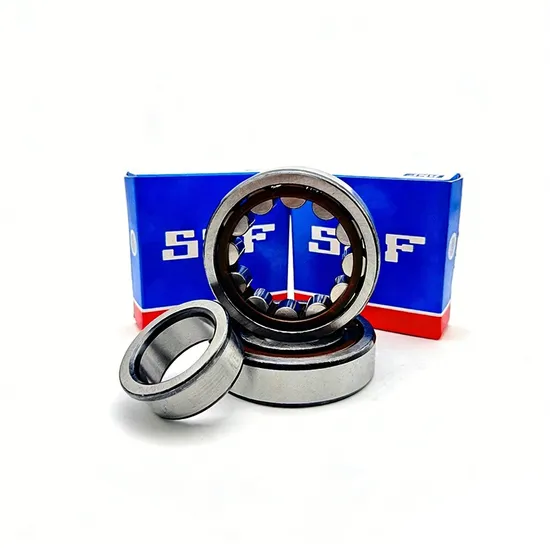
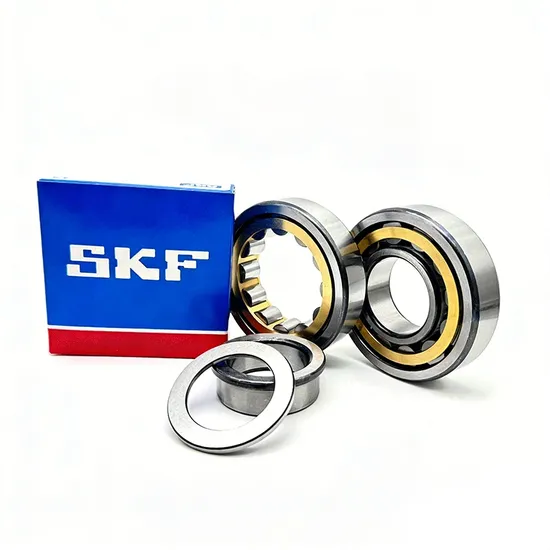
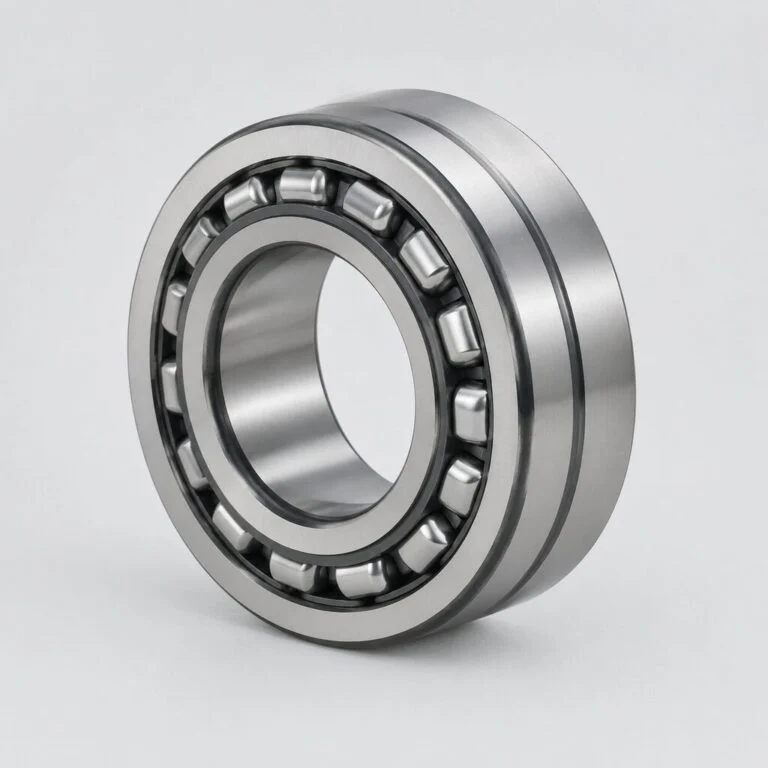
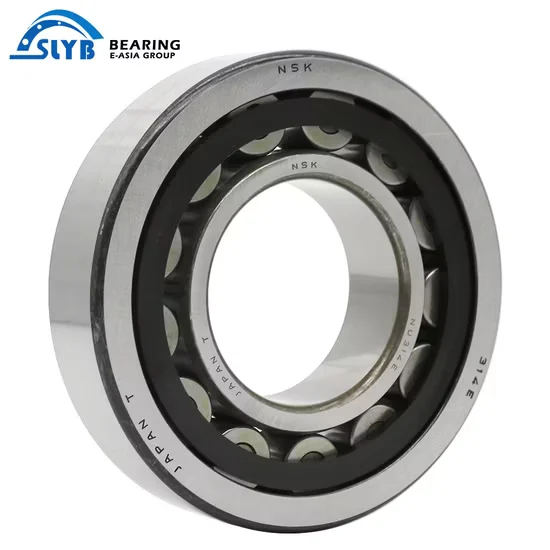
Listed data for this SKF designation; confirm the execution and dimensions against your drawing or application before ordering.
Verified Factory Traceability — Every unit includes original batch documentation linking directly to the Swedish production facility for absolute authenticity.
Technical Specifications
| Parameter | Value |
| Designation | SKF NJ211 |
| Product Type | Cylindrical Roller Bearing |
| Bore Diameter (d) | 55 mm |
| Outside Diameter (D) | 100 mm |
| Width (B) | 21 mm |
| Number of Rows | Single |
| Material | Bearing Steel / Chrome Steel |
| Load Direction | Radial Bearing |
| Precision Rating | P0, P6, P5, P4, P2 |
| Origin | Sweden |
Application Suitability
| Industry | Typical Applications |
| Power Transmission | Heavy-duty gearbox shaft support |
| Industrial Manufacturing | Rolling mill drive mechanisms |
| Railway & Transit | Traction motor suspension systems |
Why Overheating Inner Rings Destroys the SKF NJ211 Cylindrical Roller Bearing
Direct flame heating alters the metallurgical structure and annihilates the engineered clearance.
During my years handling heavy-duty transmission equipment in Dongguan, I investigated a catastrophic failure where a cylindrical roller bearing completely seized inside a gearbox. The maintenance crew had used an open flame to heat the inner ring, severely degrading the steel's microstructure and eliminating the designed internal clearance. When dealing with heavy radial loads, simply matching the part number is never enough; installation discipline and thermal management dictate survival. Such field mistakes highlight why proper handling is critical for the SKF NJ211 cylindrical roller bearing.

Aligning the Component with Transmission Loads
When specifying a single-row radial design for industrial gearboxes, the SKF NJ211 cylindrical roller bearing efficiently handles substantial radial forces while accommodating minor axial displacements through its ribbed ring configuration. Our engineering team provides comprehensive cross-brand equivalent model consultation to ensure this specific layout perfectly matches your exact transmission housing dimensions. By analyzing your operational tolerances, we help prevent the common pitfall of installing a component that lacks the necessary load distribution characteristics for continuous heavy-duty power transfer. This proactive approach minimizes the risk of unexpected downtime caused by dimensional mismatches or inadequate load capacities in critical machinery.
Managing Thermal Expansion and Lubrication in Heavy Gearboxes
In heavy-duty gearboxes, continuous operation generates significant friction heat, demanding careful consideration of internal clearance to prevent thermal binding and subsequent seizure. Proper lubrication intervals and selecting the correct grease or oil viscosity are absolutely critical to avoiding premature wear on the rolling elements and cage assembly. Furthermore, improper mounting practices, such as applying force through the wrong ring or using excessive uncontrolled heat, can permanently compromise the structural integrity of the component. Understanding these thermal and tribological dynamics ensures the long-term reliability of your drivetrain.
Decoding the Dimensional and Precision Parameters
The 55 mm bore, 100 mm outside diameter, and 21 mm width define the physical envelope of this single-row unit, ensuring precise fitment within standard transmission housings. Manufactured from premium chrome steel, the material offers the necessary hardness and fatigue resistance required for continuous radial loading in demanding environments. Precision ratings ranging from P0 to P2 allow maintenance teams to select the exact tolerance class required for their specific gearbox vibration and noise constraints. Since the basic designation lacks additional suffixes, it typically defaults to standard clearance and a pressed steel cage, though verifying the exact internal design against the manufacturer catalog is essential before finalizing any installation procedure.
The Financial Impact of Mismatched Clearances and Mounting Errors
Selecting an inappropriate internal clearance for high-temperature environments inevitably leads to thermal expansion issues, causing the rolling elements to bind and generate catastrophic friction. Such mounting and selection errors void warranty protections and result in unplanned downtime that severely disrupts production schedules and damages adjacent gearbox components. According to established failure analysis frameworks, a significant share of premature failures stems directly from these avoidable installation and specification mistakes rather than inherent manufacturing defects. Ultimately, replacing a seized transmission component costs far more than the initial part price, emphasizing the need for rigorous technical validation.
Securing Authentic Components for Critical Drivetrains
Sourcing genuine transmission components requires strict verification, especially when a basic designation might be confused with variants featuring different cages or specialized clearances. We supply original products with complete traceability documentation, ensuring every unit strictly matches the original manufacturing standards. Our flexible purchasing options accommodate everything from single-unit emergency replacements to full container consolidation for large-scale mill upgrades. Additionally, our technical support team assists with cross-referencing related models to prevent costly procurement errors. We also provide global shipping consolidation and long-term after-sales guidance for failure analysis, ensuring your maintenance team has the necessary backing.
Documentation & Authenticity
- Certificate of Conformity verifying the Swedish origin and genuine manufacturing batch.
- Original batch traceability documentation linking the specific unit to factory test records.
- Official digital authentication verification via QR codes upon physical receipt.
- Dimensional inspection reports confirming the 55x100x21 mm tolerances before dispatch.
- Material certification validating the chrome steel metallurgical composition.
Storage, Handling & Mounting
- Retain the original factory packaging until installation to protect the chrome steel surfaces from ambient humidity and corrosion.
- Utilize controlled induction heating for the 55 mm bore instead of open flames to preserve the metallurgical structure.
- Apply force strictly to the inner ring during press-fitting to prevent damaging the rolling elements and cage assembly.
- Maintain clean gloves during handling to avoid introducing microscopic contaminants into the single-row radial clearance.
- Verify the internal clearance class matches the gearbox operating temperature before removing the protective rust-preventative coating.
Preparing Your Technical Requirements for Review
To ensure optimal performance, please share your specific radial and axial load profiles, operating speeds, and thermal conditions for accurate life recalculations. Providing the original equipment manufacturer part numbers allows our engineers to perform precise cross-reference verification and identify any potential supersessions. Supplying detailed installation space constraints helps confirm the absolute suitability of this specific dimensional envelope for your transmission system, allowing us to recommend the most reliable configuration for your exact operational environment. Detailing your maintenance schedules and environmental exposure, such as dust or moisture, further assists our team in suggesting appropriate protective measures.
Frequently Asked Questions
Q: How can I verify the authenticity of the received components using official tools?
A: Upon delivery, inspect the packaging for intact security seals and locate the printed QR code. Use the manufacturer's official mobile application to scan this code, which instantly validates the production batch and origin. Cross-check the physical dimensions and precision markings against the digital certificate to ensure the component is entirely genuine.
Q: What are the critical considerations when cross-referencing this model with alternative designs?
A: When evaluating alternatives, you must compare the exact internal clearance, cage material, and dimensional envelope to ensure compatibility. Substituting a standard configuration with a variant designed for different thermal conditions can cause binding. Always consult technical documentation or request engineering support to verify that the alternative meets your specific transmission load requirements.
Q: How do I select the appropriate precision rating for my gearbox application?
A: Standard P0 precision is generally sufficient for heavy-duty industrial gearboxes where extreme rotational accuracy is not critical. However, if your traction motor or high-speed transmission demands minimal vibration and noise, upgrading to P6 or P5 classes is advisable. Evaluate the operational speed and housing tolerances to determine the most cost-effective precision level.
Q: What are the recommended mounting practices to prevent premature operational failure?
A: Avoid using open flames or uncontrolled torches to heat the inner ring, as this destroys the heat treatment and alters the metallurgical structure. Instead, use an induction heater with automatic temperature control. Always apply pressing force exclusively to the inner ring, and ensure the shaft shoulder and housing dimensions strictly match the specified tolerances.
Q: How should I manage lubrication for this single-row radial configuration?
A: Since this standard designation typically features an open design without integrated seals, external lubrication must be carefully managed. Select a grease or oil viscosity that matches your operating temperature and speed, and establish a strict relubrication schedule. Ensure the gearbox housing is properly sealed to prevent external contaminants from entering the bearing cavity.