
Custom OEM Bearing Sample Fees and Approval Timeline – ISO 9001 Factory
Custom bearing samples are never free. The fee covers tooling, testing, and documentation—not just the physical part. Most global industrial buyers and distributors researching Custom OEM Bearing Sample Fees want to know whether they should pay, how much is reasonable, and how long approval takes before committing to a bulk order. The short answer: Custom OEM Bearing Sample Fees typically range from a few hundred to several thousand dollars depending on complexity, approval timelines run from one to several weeks, and a well-structured sample agreement protects both parties while filtering out unserious inquiries.
I still remember a Middle East distributor who ordered a batch of deep groove ball bearings with special internal clearance. The drawings went through multiple revision rounds. We machined the samples, ran vibration and clearance tests, and produced full inspection reports. The Custom OEM Bearing Sample Fees were quoted transparently upfront. When the samples arrived, the buyer refused to pay, insisting samples should always be free. The cost of tooling adjustments, testing hours, and documentation was absorbed entirely on our side. That single incident reshaped how we handle every custom inquiry today—fees are locked into the contract before a single chip is cut.
Let me walk you through what Custom OEM Bearing Sample Fees actually cover, how the approval timeline works, what documentation must accompany the sample, and how to structure your agreement so neither side gets burned.
Why Do Custom Bearing Samples Cost Money?
Custom bearing samples are not pulled from stock shelves. They require dedicated tooling, machine setup, and quality verification that standard inventory items simply do not need. Many buyers assume sample fees are an arbitrary surcharge. The reality is fundamentally different.
When a buyer requests a non-standard deep groove ball bearing with a specific internal clearance, or a tapered roller bearing with modified cage geometry, the manufacturer must:
- Adjust or create new tooling for the inner and outer ring grooves
- Set up the grinding and turning machines for a small production run
- Run vibration and noise tests on dedicated equipment
- Prepare dimensional inspection reports and material certificates
Each of these steps carries real cost. Standard bearings in sizes like 6205, 6206, or 6305 are produced in massive batches, so the per-unit cost is negligible. Custom samples, by contrast, consume the same machine hours as a full production run but spread those hours across only a handful of pieces.
A common misconception is that free samples signal a sincere supplier. In practice, free samples almost always mean standard stock items—never truly custom parts. If a supplier offers a "custom" sample at zero cost, ask yourself: did they actually manufacture anything new, or did they just pull a catalog bearing from the warehouse?
An African mining operator once requested self-aligning roller bearings with specific dimensional tolerances for a crusher application. The sample required a dedicated grinding setup and a full batch of material certificates. The Custom OEM Bearing Sample Fees reflected the actual machining and testing effort. The buyer understood the logic immediately because the technical team could see the process sheets.
What Does the Sample Fee Typically Cover?
Custom OEM Bearing Sample Fees are not a single line item. They bundle material costs, machining time, testing labor, and documentation preparation into one transparent charge.
Breaking it down:
- Material cost: Bearing-grade steel (typically 100Cr6 or equivalent) is purchased in specific quantities for the custom run. Even for a few pieces, the raw material must meet the required chemistry and cleanliness standards.
- Machining and grinding: Turning, heat treatment, grinding, and superfinishing all require machine setup. For a custom profile or non-standard bore, the grinding wheels may need to be dressed or replaced.
- Testing and inspection: Vibration value measurement, internal clearance verification, and dimensional checks are performed on dedicated instruments. Each test consumes operator time and machine calibration cycles.
- Documentation: Material certificates, dimensional inspection reports, and compliance declarations must be prepared, reviewed, and signed off.
For a Latin American equipment repair shop that needed cross-reference substitute samples for a conveyor pulley application, the Custom OEM Bearing Sample Fees included a full dimensional inspection report confirming the interchangeability with the original specification. The report was critical because the buyer needed to prove to their end customer that the substitute met the same mounting dimensions and load ratings.
| Fee Component | What It Covers | Typical Inclusion |
|---|---|---|
| Material | Bearing-grade steel procurement | Standard |
| Machining | Turning, heat treatment, grinding setup | Standard |
| Testing | Vibration, clearance, dimensional checks | Standard |
| Documentation | Material certs, inspection reports | Standard |
| Expedited delivery | Priority scheduling, express freight | Optional |
How Long Does Sample Approval Take?
The approval timeline for custom bearing samples typically spans one to several weeks, depending on drawing complexity, testing requirements, and documentation scope.
The process follows a defined sequence:
- Drawing confirmation: The buyer submits technical drawings or specification sheets. The engineering team reviews tolerances, material calls, and any special requirements such as specific seal types or grease fills.
- Tooling and machining setup: Once the drawing is approved, the production team schedules machine time, prepares grinding wheels, and sets up the heat treatment furnace cycle.
- Sample production: The actual machining, heat treatment, grinding, and assembly take place. For simpler modifications, this phase is shorter; for complex cage designs or special internal geometries, it extends.
- Testing and inspection: Vibration values, internal clearance, and dimensional tolerances are measured. Results are recorded against the drawing specifications.
- Report preparation and delivery: Inspection reports, material certificates, and any required compliance documents are compiled and shipped alongside the physical samples.
For the Middle East distributor mentioned earlier, the entire cycle—from initial drawing submission to final sample delivery with full reports—took several weeks due to multiple drawing revisions. Each revision required a new setup and a fresh round of testing. This is why locking the drawing early is critical to controlling both the Custom OEM Bearing Sample Fees and the timeline.
A key risk buyers face is underestimating the documentation lead time. Material certificates and inspection reports are not generated instantly. They require cross-referencing heat numbers, verifying test results, and obtaining quality department sign-offs. Rushing this phase often leads to errors that delay approval further.
What Documents Should Accompany the Sample?
A custom bearing sample without proper documentation is essentially unverifiable. The sample and its paperwork must arrive together as a complete package.
The minimum documentation set includes:
- Dimensional inspection report: Covers bore diameter, outside diameter, width, and any special features called out on the drawing. Measurements are taken with calibrated instruments and traceable to national standards.
- Material certificate: Confirms the steel grade, chemical composition, and heat treatment batch. This is non-negotiable for industrial buyers who need to verify material authenticity.
- Vibration and noise test report: Especially critical for deep groove ball bearings used in electric motors and fans. The report should specify the test speed, measurement method, and resulting values.
- Internal clearance verification: For bearings with special clearance requirements (such as C3 or C4), the actual measured clearance must be documented.
- Compliance declaration: Confirms that the sample meets the relevant ISO standards and any buyer-specific requirements.
As an ISO 9001 certified factory, we treat documentation as part of the product itself. Every sample shipped carries a complete document package—no exceptions. This discipline is what separates a professional sampling process from an ad hoc workshop approach.
For the African mining customer, the material certificates and inspection reports were shipped in the same parcel as the self-aligning roller bearing samples. The buyer’s quality team could immediately verify the chemistry and dimensions without waiting for follow-up emails. This parallel delivery eliminated weeks of back-and-forth and accelerated the approval decision.
How to Protect Yourself in the Sample Agreement?
A clear sample agreement prevents disputes over Custom OEM Bearing Sample Fees, delivery expectations, and intellectual property rights.
The agreement should address the following points explicitly:
- Fee structure: State the total Custom OEM Bearing Sample Fees, broken down by component if possible. Clarify whether the fee covers one round of samples or includes revisions.
- Fee offset clause: Many buyers negotiate for the sample fee to be credited against the first bulk order. This is a reasonable arrangement that aligns both parties’ interests.
- Delivery timeline: Specify the expected lead time from drawing approval to sample shipment. Include a buffer for testing and documentation.
- Revision policy: Define how many drawing revisions are included in the quoted fee. Additional revisions should trigger a separate quotation.
- Intellectual property: Clarify who owns the drawing and any custom tooling created for the sample. This is especially important for distributors who may want to source the same design from alternative suppliers later.
- Shipping and packaging: Specify the Incoterms, packaging method, and who bears the freight cost. For high-precision samples, proper packaging is essential to prevent transit damage.
The lesson from the Middle East case was straightforward: if the fee and terms are not written into a contract before production begins, the supplier bears all the risk. Today, every custom sample inquiry from a new buyer starts with a formal quotation that covers all of the above points. The buyers who push back on this process are usually the ones who had no real intention of placing a bulk order.
Conclusion
Custom OEM Bearing Sample Fees are a necessary investment in verifying fit, function, and quality before committing to a bulk purchase. They cover real costs—tooling, machining, testing, and documentation—that do not exist for standard stock items. The approval timeline depends on drawing complexity and documentation requirements, typically spanning one to several weeks. A well-structured sample agreement with clear fee terms, revision policies, and delivery expectations protects both buyer and supplier, ensuring that the sampling process serves its true purpose: confirming that the custom bearing meets the application’s demands before full-scale production begins.
Products in this article
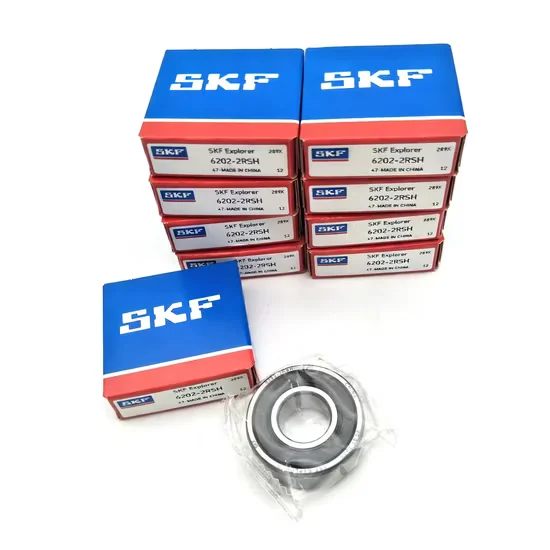
SKF bearings mentioned above
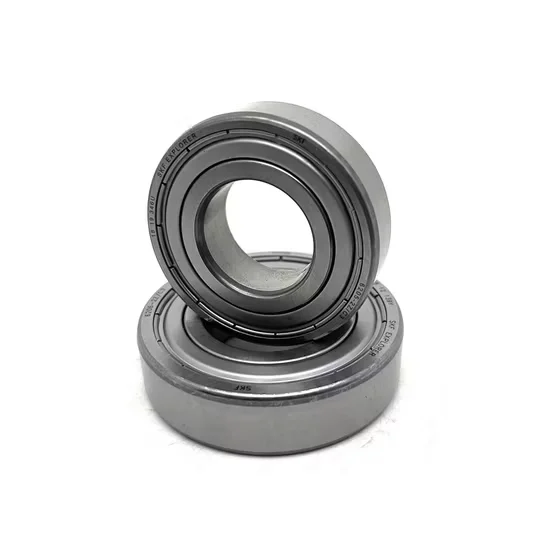 01 Deep Groove Ball Bearings SKF 6204 6205 6206 Deep Groove Ball Bearing Spare Parts View model details
 02 Deep Groove Ball Bearings Original SKF Deep Groove Ball Bearing 6000 6001 6308 6309 6204 6205 6206 for Auto Parts View model details
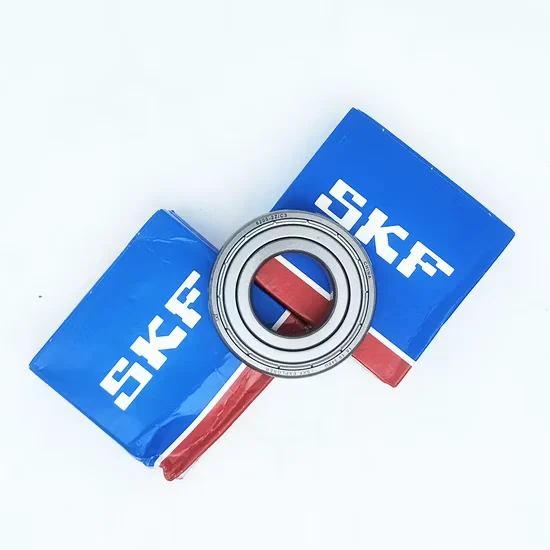 03 Agricultural Machinery Bearings X&S 80607kt 6301-2RS 6205-2Z 6206-2Z Deep Groove Ball Bearing View model details
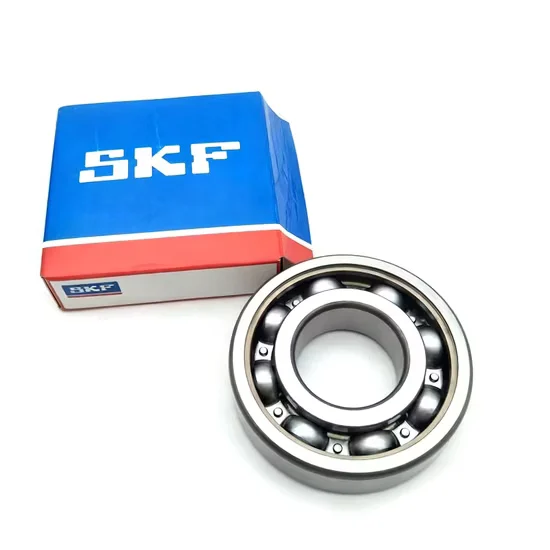 04 Deep Groove Ball Bearings SKF 6205 6206 ZZ C3 Deep Groove Ball Bearing for Automobile Industry View model details
Applications
Where these SKF bearings are used
Keep reading
Related SKF bearing selection guides
More practical notes on SKF designations, precision items and project bearing lists from Project Purchasing Company.
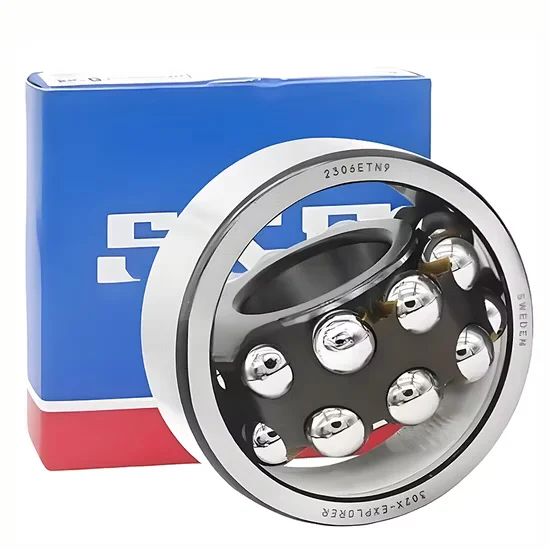 Procurement & Trade FAQs · · 7 min read Ball Bearing Supplier to Latin America: Genuine SKF, FAG, NSK Wholesale Sourcing genuine ball bearings for Latin America demands strict customs compliance to avoid costly port delays. Master precise HS codes and Certificates of Origin… Read the guide
 Procurement & Trade FAQs · · 8 min read Genuine Ball Bearing Supply to Southeast Asia Wholesale Master Ball Bearing Supply to Southeast Asia by prioritizing customs compliance and verified authenticity over marginal price differences. Learn how mixed-brand consolidation, accurate HS… Read the guide
 Procurement & Trade FAQs · · 7 min read Genuine Ball Bearings for Africa & Middle East Wholesale Supplier Secure genuine ball bearing supply to Africa and Middle East with strict customs compliance and authentic mixed-brand consolidation. Master SONCAP clearance, optimize container loading,… Read the guide

Request a quote
Send your SKF list. Get one itemized written quote.
Project Purchasing Company supplies SKF ball, roller, precision and housed bearing units to distributors, repair workshops and project buyers worldwide. Standard and precision items are priced line by line, with accessories kept on the same quote.