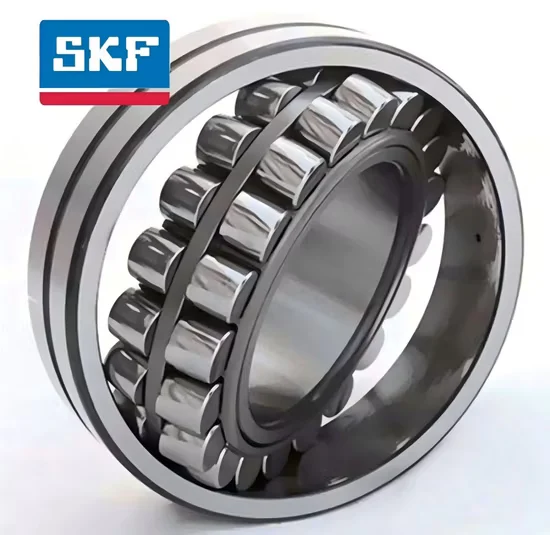
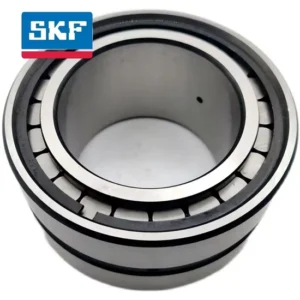
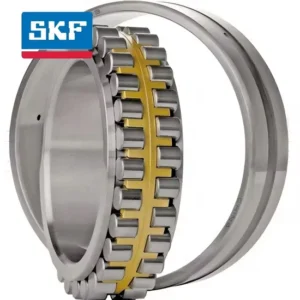
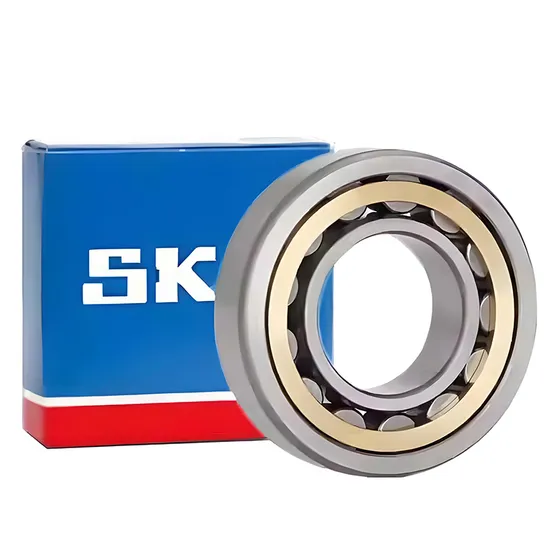
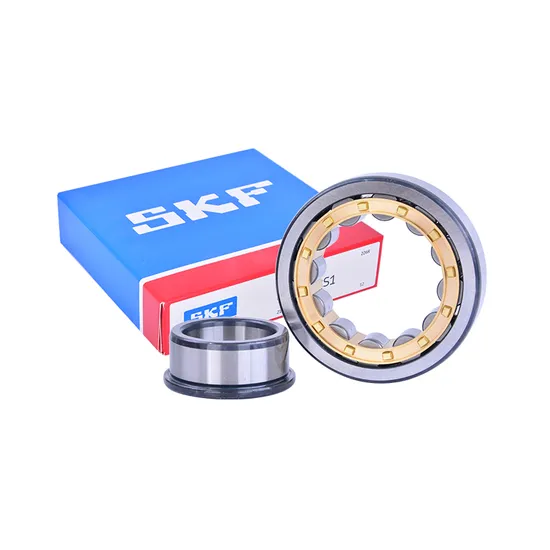
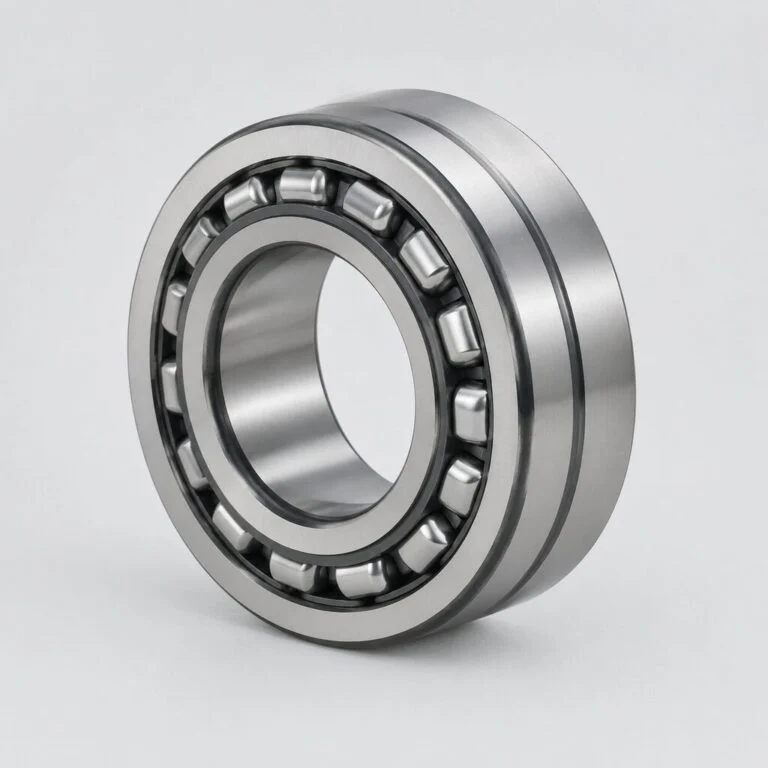
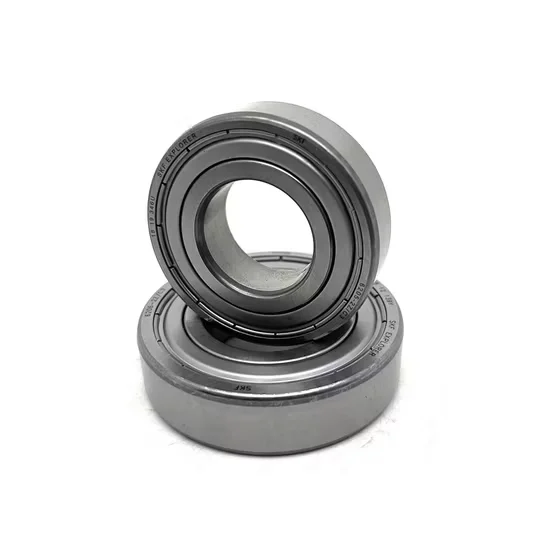
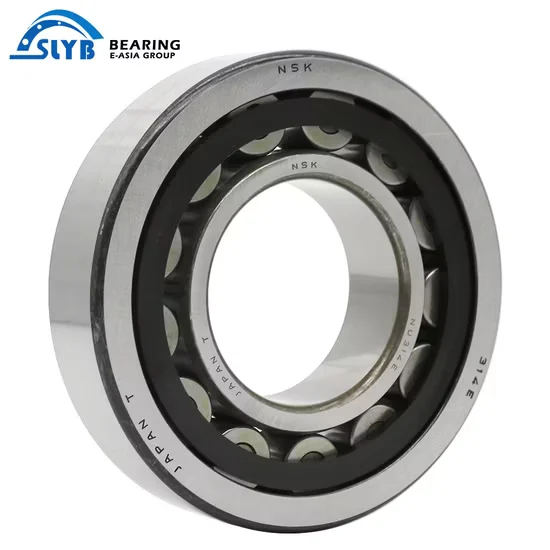
Listed data for this SKF designation; confirm the execution and dimensions against your drawing or application before ordering.
Unified Multi-Brand Sourcing — Consolidate Nu234 Ec Ml and other premium cylindrical roller bearings into a single shipment without juggling multiple vendors.
Technical Specifications
| Parameter | Value |
| Designation | Nu234 Ec Ml |
| Bearing Type | Cylindrical Roller Bearing |
| Material | Bearing Steel |
| Separable Design | Separated |
| Clearance Options | C0, C2, C3, C4, C5 |
| Cage Material Options | Brass, Steel |
| Vibration Levels | Z1V1, Z2V2, Z3V3 |
| Hardness | 60-64 HRC |
| Origin | Jiangsu China |
Application Suitability
| Industry | Typical Applications |
| Heavy-Duty Manufacturing | Main drive shafts in industrial gearboxes |
| Metallurgy | Work roll and backup roll necks in rolling mills |
| Material Handling | Traction motor assemblies for electric locomotives |
| General Machinery | Rotating drums and conveyors under light impact working |
Why Suffix Matching Dictates the Survival of Your Nu234 Ec Ml Cylindrical Roller Bearing
A single mismatched internal clearance or cage designation turns a premium component into a premature failure point.
In tropical palm oil mills or humid steel plants, engineers often overlook how thermal expansion interacts with internal geometry. When a machine experiences light impact working, selecting the wrong cage material or clearance class leads to roller skewing and catastrophic cage fracture. Sourcing the exact Nu234 Ec Ml cylindrical roller bearing requires strict adherence to the original equipment manufacturer's suffix logic, not just the basic dimension numbers. Many procurement teams focus solely on the bore and outside diameter, ignoring the fact that a seemingly identical component with a standard clearance will seize under the thermal growth of a heavy-duty gearbox shaft. This oversight transforms a routine maintenance swap into a catastrophic line stoppage, emphasizing why deep technical verification is non-negotiable.

Aligning the Nu234 Ec Ml Cylindrical Roller Bearing with Mild Impact Loads
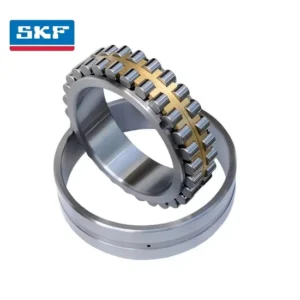
Industrial gearboxes and rolling mills demand components that absorb continuous radial forces while accommodating slight axial displacements caused by thermal shaft elongation. The separated design of this bearing allows the inner ring to be mounted independently from the outer ring and roller assembly, drastically simplifying maintenance procedures in confined machinery spaces. By offering flexible cage and clearance configurations, we ensure the Nu234 Ec Ml cylindrical roller bearing aligns perfectly with your specific operational rhythm. Our cross-brand equivalent model consultation guarantees that even if the original brand is unavailable, the replacement maintains the exact internal geometry required to handle mild impact working without compromising the L10 rating life.
Managing Thermal Expansion and Lubrication Starvation in Heavy Machinery
In heavy-duty gearboxes, continuous operation generates substantial heat, causing the inner ring to expand faster than the outer ring due to its proximity to the heat source. If the initial internal clearance is too tight, the rollers will bind against the raceways, leading to severe friction, rapid lubricant degradation, and eventual heat generation. Proper lubrication is equally critical; oil bath or circulating oil systems must maintain a consistent elastohydrodynamic film thickness to prevent metal-to-metal contact under light impact working conditions. Furthermore, the separated nature of the components means that installation forces must never be transmitted through the rolling elements, requiring precise mounting tools to protect the highly finished raceway surfaces from microscopic brinelling.
Decoding the Internal Geometry and Material Selection for Durability
The bearing steel construction provides a hard, wear-resistant raceway surface, typically reaching 60-64 HRC to withstand continuous radial loading and resist surface fatigue. The separated design is fundamental for cylindrical roller bearings, allowing the shaft to be fitted with the inner ring while the outer ring is pressed into the housing independently. Depending on the rotational speed and vibration levels, which can be specified from Z1V1 up to Z3V3, engineers can choose between brass and steel cages. Brass cages offer superior roller guidance and damping characteristics at higher speeds, while pressed steel cages provide a lightweight, cost-effective solution for standard applications. The available clearance classes, ranging from C0 to C5, allow precise compensation for thermal expansion and heavy interference fits on the shaft.
The Hidden Toll of Incorrect Clearance and Cage Selection
Installing a component with inadequate internal clearance in a high-temperature gearbox results in immediate preload buildup once the machine reaches its steady-state operating temperature. This causes excessive friction, rapid lubricant breakdown, and eventual roller seizure, leading to unplanned downtime and costly shaft scoring. According to ISO 281, the calculated rating life drops exponentially when operating conditions deviate from the design parameters, making exact suffix matching a financial imperative rather than a mere technicality. A mismatched cage material can also suffer from fatigue cracking under continuous vibration, turning a minor replacement task into a major teardown that halts production across the entire facility.
Securing Traceability and Exact Suffix Matching for Critical Spares
Sourcing mixed-brand and mixed-size packages often leads to compromised suffix accuracy, but our complete traceability documentation ensures every component matches the original specification. We maintain massive spot inventory covering thousands of standard and special part numbers, eliminating the typical multi-week lead times for urgent MRO requirements. Our technical selection support includes cross-referencing the exact cage and clearance suffixes to prevent the common mistake of substituting a standard clearance for a C3 or C4 variant in heat-generating applications. Furthermore, our global shipping consolidation service groups your heavy-duty gearbox bearings with other maintenance parts into a single, fully inspected container, ensuring that the Nu234 Ec Ml cylindrical roller bearing arrives in pristine, factory-sealed condition.
Documentation & Authenticity
- Certificate of Conformity detailing the exact cage and clearance suffixes for the Nu234 Ec Ml.
- Original manufacturer material test reports confirming the bearing steel chemical composition.
- Dimensional and running accuracy inspection reports verifying geometric tolerances before dispatch.
- Factory batch traceability records linking the physical component to its specific heat treatment lot.
- Vibration and noise test certificates corresponding to the specified Z1V1, Z2V2, or Z3V3 class.
Storage, Handling & Mounting
- Keep the separated inner and outer rings in their original anti-corrosion packaging until the exact moment of induction heating.
- Use clean, lint-free gloves when handling the brass cage variants to prevent acidic sweat from initiating surface oxidation.
- Store the C3 and C4 clearance variants in a climate-controlled environment to prevent condensation inside the roller assemblies.
- Align the inner ring carefully during mounting to avoid brinelling the hardened raceway under light impact working conditions.
- Apply the recommended rust preventative oil if the bearing steel components are to be stored in the MRO crib for extended periods.
Preparing Your Technical Parameters for Engineering Verification
To ensure precise model confirmation and accurate L10 life calculation, please share your specific radial and axial load profiles, operating temperatures, and rotational speeds. Providing the original equipment manufacturer's part number or equipment nameplate data allows our engineering team to perform a thorough cross-reference check against global catalogs. Detailing the environmental exposure, such as dust ingress, moisture levels, or chemical contaminants, helps us recommend the most appropriate cage material and clearance class for your specific application, ensuring long-term reliability.
Preguntas Frecuentes
Q: How do I verify the authenticity and traceability of this cylindrical roller bearing?
A: We provide a comprehensive documentation package that includes a Certificate of Conformity, original material test reports, and factory batch traceability records. These documents link the physical component to its specific heat treatment lot and confirm the exact cage and clearance suffixes, ensuring complete transparency from the manufacturer's production facilities to your maintenance crib.
Q: What are the critical cross-reference considerations for clearance and cage selection?
A: When replacing an existing unit, it is crucial to match not only the basic dimensions but also the internal clearance class and cage material. Substituting a standard clearance for a C3 variant in a high-temperature gearbox can cause thermal binding. Our technical team cross-references these specific suffixes against official catalogs to guarantee an exact operational match.
Q: How should I choose between brass and steel cages for my industrial gearbox?
A: Brass cages are generally preferred for applications involving higher speeds, heavy loads, or significant vibration, as they offer superior guidance and damping characteristics. Pressed steel cages are lighter and highly effective for standard rotational speeds and moderate loads. The choice ultimately depends on your specific speed-to-load ratio and the thermal dynamics of the gearbox housing.
Q: What do the unverified suffixes in the designation mean and how can I confirm them?
A: Certain alphanumeric combinations in a designation may represent proprietary internal design modifications, specific cage geometries, or specialized heat treatments that are not universally standardized. To confirm the exact meaning of these suffixes, our engineering team consults the original manufacturer's current technical catalogs and cross-references them with your equipment's operational requirements to ensure absolute compatibility.
Q: What are the recommended installation practices for separated cylindrical roller bearings?
A: The separated design allows the inner ring to be mounted independently from the outer ring and roller assembly. We recommend using induction heating for the inner ring to achieve the necessary thermal expansion for a smooth interference fit on the shaft. The outer ring should be pressed into the housing using a properly sized drift tube.