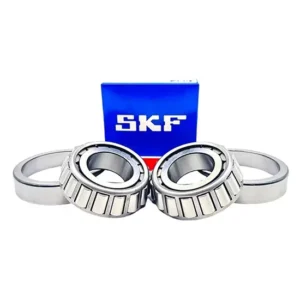
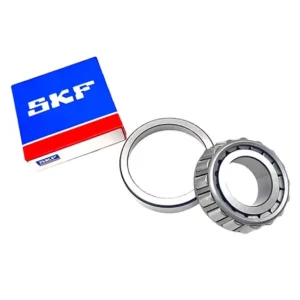
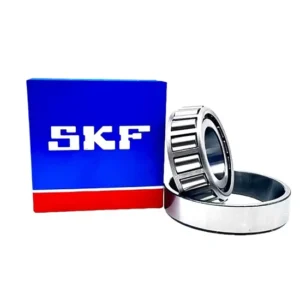
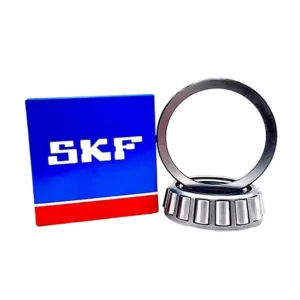
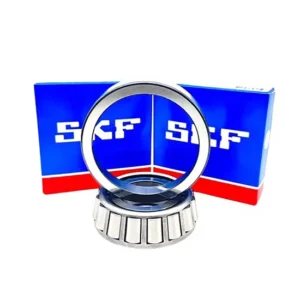
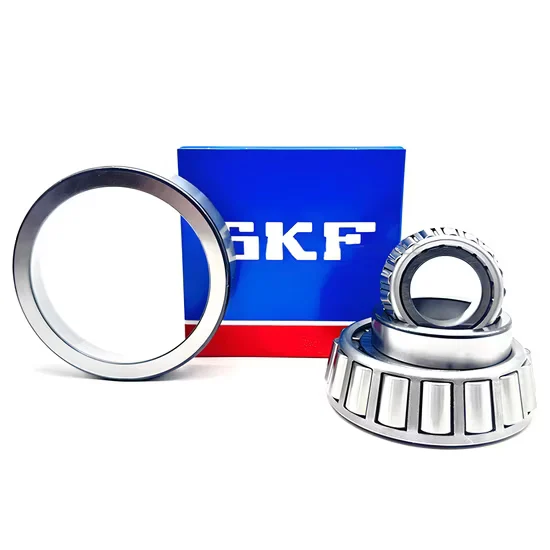
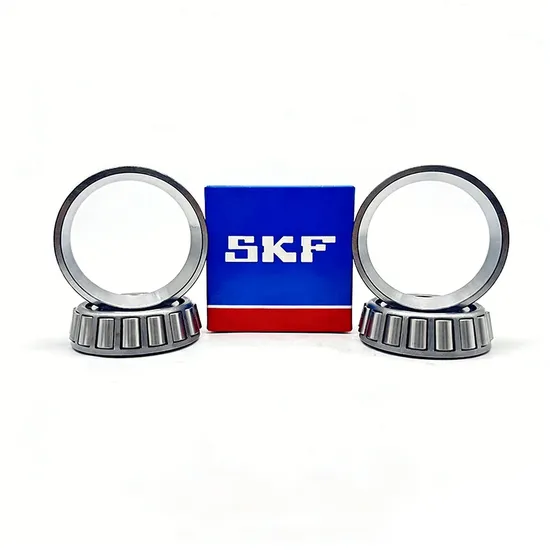
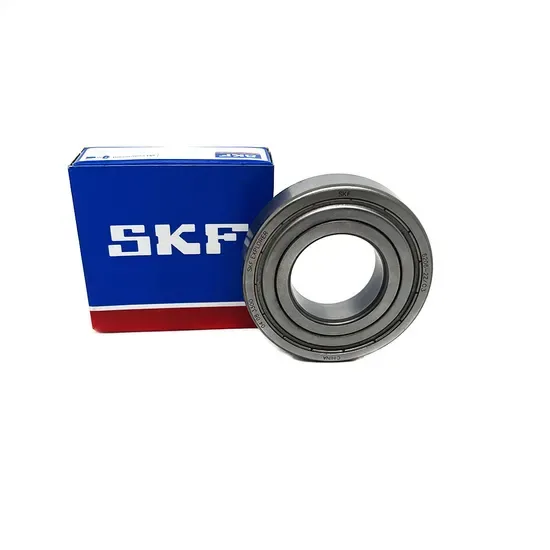
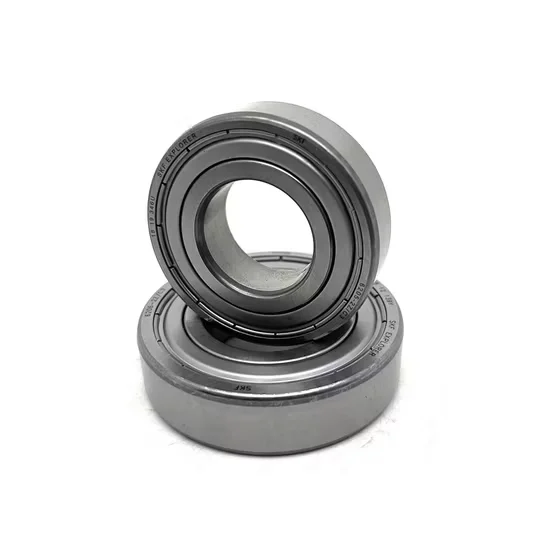
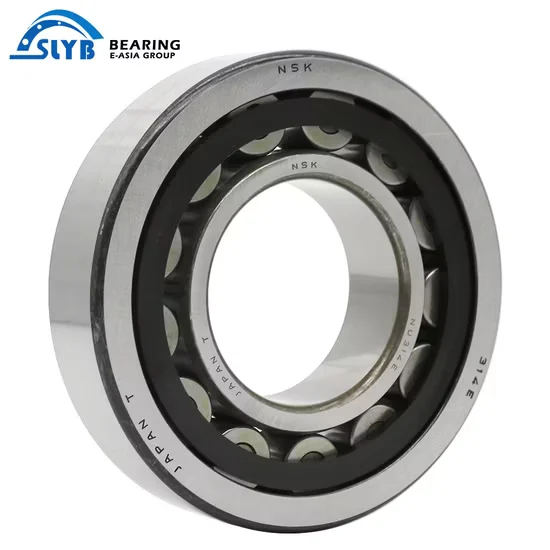
Listed data for this SKF designation; confirm the execution and dimensions against your drawing or application before ordering.
Cross-Reference Alignment — Validating dimensional equivalence across legacy part numbers like 3780/3720 and 91683 ensures direct drop-in replacement without machining modifications.
Technical Specifications
| Parameter | Value |
| Designation | SKF 32306/32310/32216/32014 3780/3720 91683 |
| Bearing Type | Tapered Roller Bearing |
| Bore Diameter (d) | 70 mm |
| Outside Diameter (D) | 110 mm |
| Width (B) | 25 mm |
| Cage Material | Iron Cage, Brass Cage, or Nylon Cage options |
| Precision Class | P0, P6, P5, P4, P2 |
| Seal or Shield Type | Zz, 2RS, or Open |
| Lubrication | Grease or Oil |
| Number of Rows | Single |
| Origin | Sweden |
Note: Suffixes X and Q are unverified and require manufacturer catalog confirmation for specific internal geometry variations.
Application Suitability
| Industry | Typical Applications |
| Automotive & Heavy Transport | Wheel hubs and truck axles requiring high radial and axial load capacity |
| Industrial Power Transmission | Gearboxes subjected to combined loads and continuous operation |
| Marine Engineering | Marine drives demanding reliable performance in humid environments |
Why Ignoring Suffix Variations Destroys SKF 32306/32310/32216/32014 tapered roller bearing Performance
Thermal expansion in high-ambient environments rapidly eliminates internal clearance if the wrong suffix configuration is installed.
During my field analysis years in Middle Eastern desert operations, I witnessed catastrophic seizure in heavy drivetrains simply because standard clearance was specified instead of the thermally compensated variant. When ambient heat combines with operational friction, the internal geometry locks up, leading to premature failure modes classified under lubrication and thermal distress. Procurement teams often overlook these subtle designation differences, treating all variants as interchangeable. This oversight frequently results in complete axle lockups within the first few hundred hours of operation, turning a minor specification error into a massive warranty claim and extensive equipment rebuild.

Matching Tapered Roller Configurations to Drivetrain Demands
Selecting the correct SKF 32306/32310/32216/32014 tapered roller bearing requires aligning the cage material and seal type with the specific operational envelope of your gearbox or axle. Our engineering team cross-references your load profiles to recommend the optimal iron, brass, or nylon cage variant, ensuring the rolling elements maintain stability under combined radial and axial stresses. This targeted matching prevents micro-pitting and extends the service interval for critical rotating equipment.
Managing Thermal and Contamination Challenges in Heavy Axles
Truck axles and marine drives subject tapered roller bearings to intense combined loading while exposing them to significant thermal cycling and particulate ingress. Elevated operating temperatures thin the lubricant film, making the choice between grease and oil lubrication critical for maintaining adequate separation between the rollers and raceways. Furthermore, selecting the appropriate seal configuration—whether open for external oil baths or sealed for maintenance-free runs—dictates the component's resistance to abrasive contamination. Incorrect sealing choices inevitably accelerate wear in dusty or humid deployment zones, allowing microscopic debris to score the raceways and initiate spalling long before the calculated fatigue life is reached.
Decoding Cage Materials and Precision Tolerances
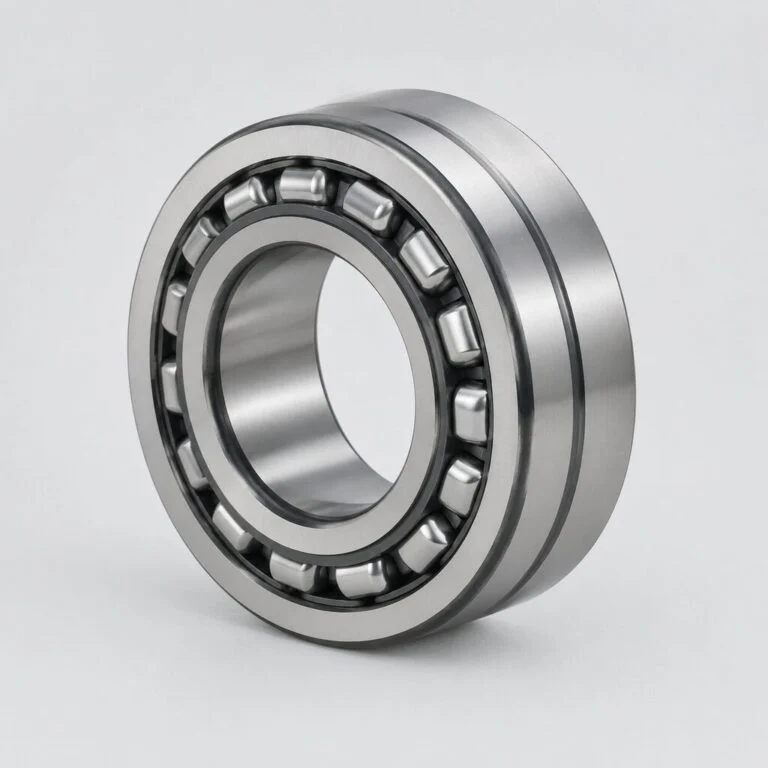
The internal architecture of these tapered roller bearings relies heavily on the selected cage material to manage roller spacing and friction. Iron and pressed steel cages offer high structural rigidity for heavy-load, low-to-medium speed applications, while brass cages provide superior durability under high vibration and shock loads. Nylon cages are available for applications demanding lower friction and quieter operation at moderate temperatures. Additionally, precision classes ranging from P0 to P2 dictate the running accuracy and noise levels, with tighter tolerances essential for high-speed gearboxes to minimize vibration. The single-row taper structure inherently handles combined loads, but requires precise axial adjustment during mounting to establish the correct internal clearance.
The Cascading Impact of Incorrect Clearance Selection
Specifying a standard clearance bearing for a high-temperature gearbox application leads to rapid thermal expansion that eliminates internal play. This preload condition generates excessive friction, causing localized overheating and eventual cage disintegration or roller skidding. Such catastrophic damage not only voids manufacturer warranties but also triggers unplanned downtime that halts entire production lines. Addressing these failure modes requires strict adherence to thermal compensation guidelines outlined in international standards. When the internal geometry binds, the resulting heat can permanently alter the metallurgical structure of the rings, rendering the entire assembly completely unsalvageable and forcing an immediate, costly replacement.
Securing Traceability and Exact Suffix Matching
Sourcing genuine components means eliminating the risk of counterfeit or mislabeled inventory that plagues the secondary market. We provide complete batch traceability documentation for every SKF 32306/32310/32216/32014 tapered roller bearing shipped, ensuring the exact suffix configuration matches your engineering drawings. Our flexible procurement model accommodates everything from single-unit emergency replacements for immediate axle repairs to full-container consolidation for large-scale gearbox manufacturing. Furthermore, our technical team verifies cross-references like 3780/3720 and 91683 to guarantee dimensional interchangeability without compromising load ratings. This rigorous validation process prevents the costly installation errors that frequently occur when substituting legacy part numbers.
Documentation & Authenticity
- Certificate of Conformity verifying Swedish origin and manufacturing batch codes for complete traceability.
- Official app QR verification enabled on packaging to confirm authentic production records.
- Dimensional inspection reports confirming P0 through P2 tolerance compliance before dispatch.
- Material test certificates validating the metallurgical composition of the selected cage and ring components.
Storage, Handling & Mounting
- Store the single-row tapered units in original moisture-barrier packaging until immediately before mounting to prevent raceway corrosion.
- Use induction heating for the inner ring installation to avoid mechanical damage to the precision-ground roller contact surfaces.
- Maintain strict axial adjustment procedures during mounting to achieve the specified internal clearance for the designated application.
- Keep open-type bearings submerged in clean oil or apply recommended grease immediately if the protective coating is removed.
- Ensure matched cross-reference units like 91683 are installed in the exact orientation marked on the packaging to preserve load distribution.
Providing Operational Data for Technical Validation
To ensure the selected tapered roller configuration meets your exact requirements, please share your operational parameters including radial and axial load profiles, operating speeds, and ambient temperature ranges. Providing the specific OEM equipment model numbers allows our engineering team to perform precise cross-reference verification against legacy designations like 3780/3720. This technical review guarantees the recommended bearing delivers optimal L10 life and prevents premature clearance loss in your specific drivetrain application.
Frequently Asked Questions
Q: How do I verify the authenticity of these tapered roller bearings upon delivery?
A: Every genuine unit features a unique QR code on the packaging that links directly to the manufacturer's official verification application. Scanning this code confirms the production batch, origin, and exact specification match. We also supply a Certificate of Conformity and dimensional inspection reports to provide comprehensive traceability for your quality assurance records.
Q: What are the cross-reference considerations for older part numbers like 3780/3720?
A: Legacy designations like 3780/3720 or 91683 often represent older naming conventions for identical physical dimensions. When substituting these part numbers, it is critical to verify the bore, outside diameter, internal contact angle, and cage design. Our technical team cross-references these legacy codes to ensure direct drop-in compatibility without requiring any housing modifications or machining adjustments.
Q: How do I choose the right cage material for an industrial gearbox application?
A: Pressed steel cages are preferred for heavy-load, low-speed gearbox shafts due to their structural rigidity. Brass cages offer superior resistance to shock loads and vibration, making them ideal for harsh environments. Nylon cages provide lower friction and quieter operation but are limited by the thermal constraints of the polymer material in high-temperature zones.
Q: What is the difference between Zz, 2RS, and Open seal types for these bearings?
A: Open bearings require external lubrication and suit gearboxes where the component is bathed in filtered oil. Zz metal shields provide basic dust protection with minimal friction. 2RS rubber contact seals offer superior exclusion of moisture and particulates but generate slightly higher friction, making them best suited for sealed-for-life automotive hub applications.