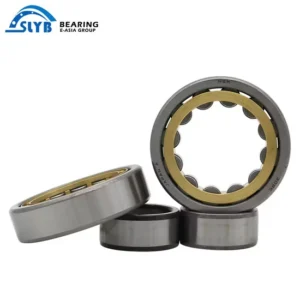
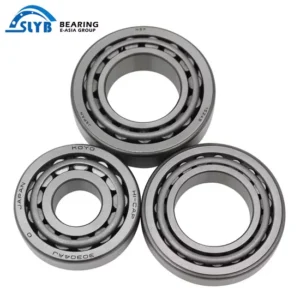
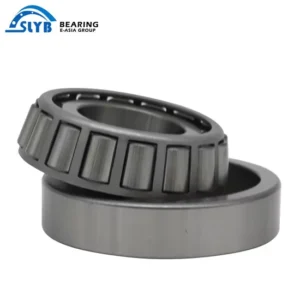
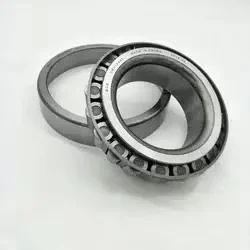
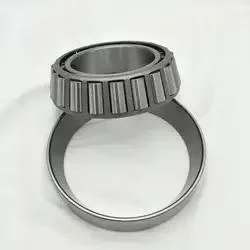
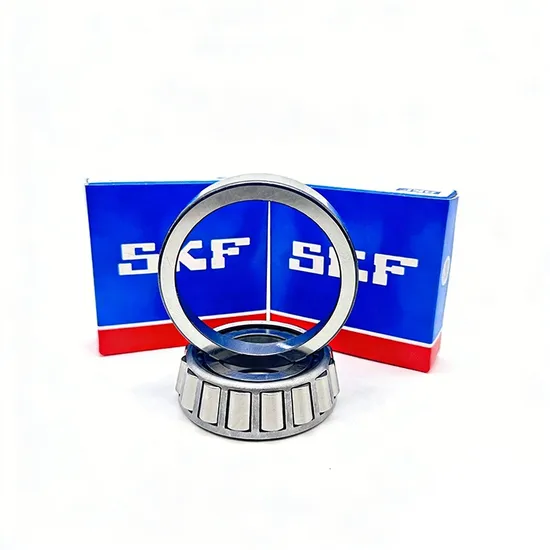
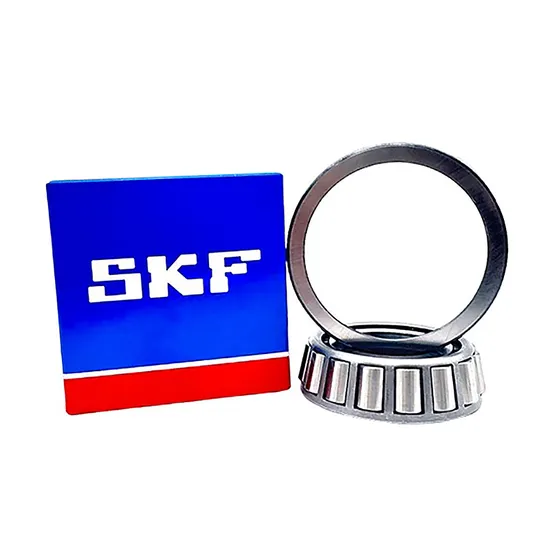
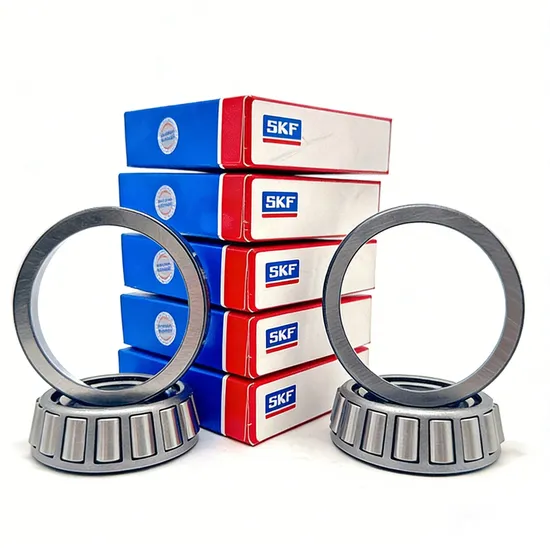
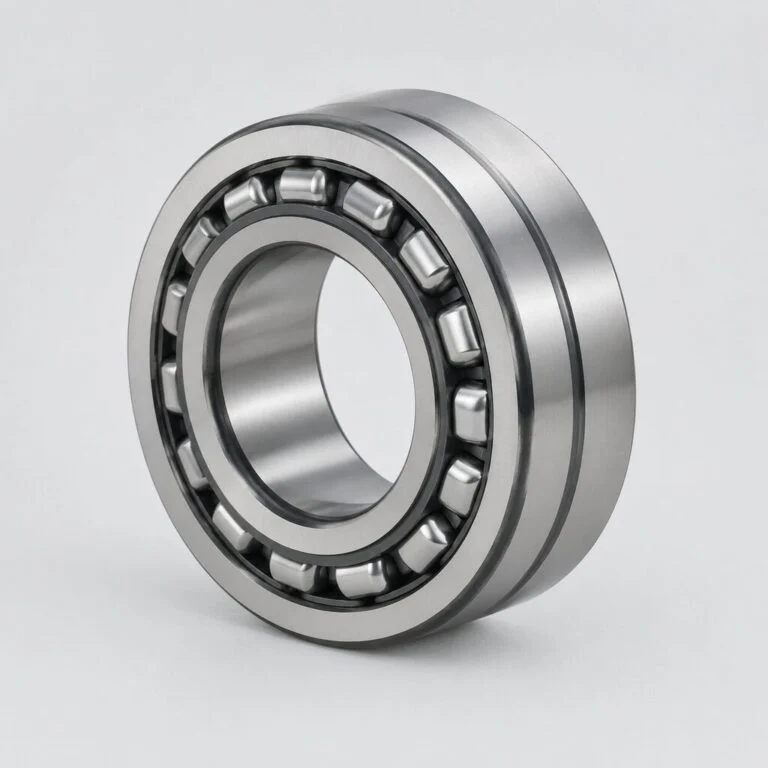
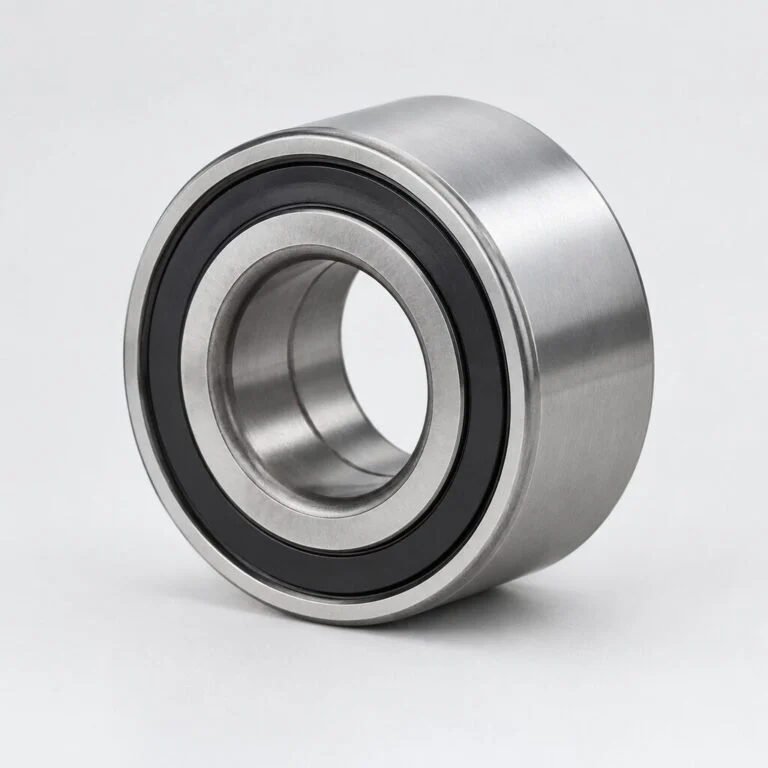
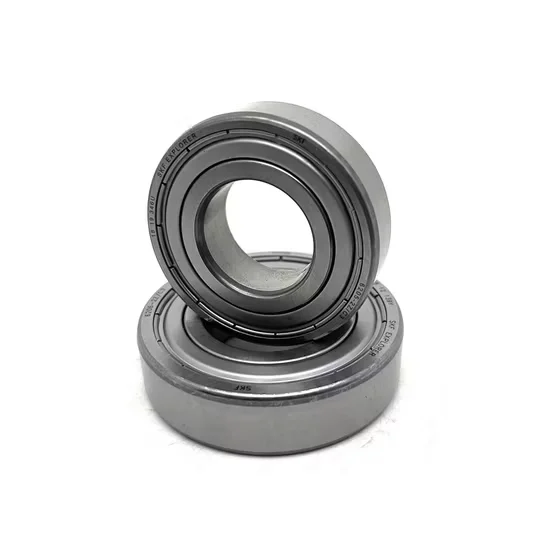
Listed data for this SKF designation; confirm the execution and dimensions against your drawing or application before ordering.
Original Batch Traceability — Every LM501349/LM501310 501349/10 set ships with verifiable mill certificates linking the exact cone and cup to their heat treatment records.
Technical Specifications
| Parameter | Value |
| Designation | LM501349/LM501310 501349/10 |
| Bearing Type | Tapered Roller Bearing |
| Material | Chrome Steel (alternative material variants available upon request) |
| Precision Class | P5 |
| Clearance Class | C3 |
| Vibration Level | Z1V1, Z2V2, Z3V3 |
| Cage Material | Steel, Nylon, Brass |
| Certification | ISO9001, TS16949, ISO9006, QS9000, VDA6.1 |
| Origin | China, Japan, Sweden |
Application Suitability
| Industry | Typical Applications |
| Automotive | Wheel hubs and truck axles requiring high radial and axial load capacity |
| Industrial Machinery | Heavy-duty gearboxes and transmission systems |
| Marine | Marine drives and propulsion shaft support |
Why Heat Destroys the OEM LM501349/LM501310 tapered roller bearing Before the Load Does
Direct flame heating permanently alters the metallurgical structure, causing premature spalling and seizure under heavy loads.
Years ago in a remote Brazilian mining site, I watched maintenance crews use open flames to force-fit bearings just to save a few hours of downtime. The intense, uncontrolled heat completely ruined the metal's microstructure, leading to catastrophic flaking and lock-ups within mere months of operation. That disaster fundamentally reshaped my entire approach to heavy-duty installations and component sourcing. Today, when procuring an OEM LM501349/LM501310 tapered roller bearing for demanding truck axles or industrial gearboxes, I strictly verify the mounting procedures and original factory specifications to prevent repeating that costly mistake. Ignoring proper thermal management during assembly guarantees failure, regardless of the component's initial quality.

Matching the Tapered Geometry to Axle and Gearbox Demands
The conical design of the OEM LM501349/LM501310 tapered roller bearing efficiently resolves the complex combined radial and thrust loads typical in heavy truck axles and industrial transmissions. By consolidating mixed-brand and mixed-size packages, we ensure your urgent MRO orders arrive with fully matched cone and cup sets, eliminating the frustrating downtime caused by sourcing mismatched components from fragmented suppliers. This geometric advantage allows the rollers to handle severe axial forces while maintaining stable rotation, which is absolutely critical for drivetrain longevity.
Managing Thermal Expansion and Contamination in Heavy Drives
In heavy gearboxes and marine drives, operational heat demands a C3 clearance class to accommodate thermal expansion without inducing destructive internal preload. Proper lubrication intervals are equally critical, as degraded grease rapidly accelerates wear on the roller ends and guide flanges under continuous stress. Furthermore, improper installation techniques, such as excessive pressing force or angular misalignment, can instantly compromise the tight P5 precision tolerances and initiate edge loading. Maintaining strict assembly protocols and utilizing appropriate sealing solutions ensures the bearing survives the harsh environmental exposure and particulate contamination typical in off-highway and marine applications.
Decoding Precision, Clearance, and Cage Selection
The P5 precision class guarantees exceptionally tight dimensional tolerances, ensuring remarkably smooth rotation and significantly reduced vibration in high-speed automotive transmissions. Selecting the appropriate cage material is vital for long-term reliability; stamped steel cages offer high structural strength for heavy shock loads, while nylon or brass variants reduce friction and operate much quieter at elevated rotational speeds. The specified C3 clearance provides the necessary internal gap to prevent seizure when the inner ring expands due to tight shaft interference fits and intense operational heat. Additionally, the Z1V1 to Z3V3 vibration levels indicate strict manufacturing control over surface finish and roller profiling, which directly minimizes acoustic noise and structural resonance in sensitive electrical instrumentation and precision gearboxes.
The Cascading Failures of Ignoring Suffix and Clearance Specs
Specifying a standard clearance instead of the required C3 in a tight-fit axle application often leads to severe internal preload, generating excessive friction heat and rapid lubricant breakdown. This thermal runaway drastically accelerates fatigue spalling on the raceways, resulting in unplanned downtime and catastrophic damage to adjacent gears and shafts. Such premature failures frequently void expensive equipment warranties and severely inflate long-term maintenance budgets across the entire fleet. Adhering to established failure mode classifications helps engineers recognize these hidden operational risks before final deployment.
Securing Traceability and Technical Alignment for Your Fleet
We provide complete batch traceability documentation for every single shipment, ensuring you know the exact origin and heat treatment lot of your critical drivetrain components. Our cross-brand equivalent model consultation helps you find reliable, cost-effective alternatives when specific OEM LM501349/LM501310 tapered roller bearing stocks are constrained by global supply chain disruptions. With highly flexible minimum order quantities, we effectively support everything from single-unit emergency replacements to full-container project consolidations for large-scale fleet overhauls. Our massive spot inventory covers thousands of standard part numbers, drastically reducing lead times for urgent maintenance scenarios. Furthermore, our long-term after-sales technical support includes detailed failure analysis to guide your maintenance team in optimizing future installation practices and extending service intervals.
Documentation & Authenticity
- Certificate of Conformity verifying ISO9001 and TS16949 compliance for the specific production batch.
- Original mill heat-treatment records linking the cone and cup to their exact forging lot.
- Dimensional inspection reports confirming P5 tolerance and C3 internal clearance before dispatch.
- Material test certificates validating the chrome steel composition and structural hardness.
- Vibration and noise test logs confirming the specified Z1V1 or Z2V2 class.
Storage, Handling & Mounting
- Keep the matched cone and cup sets in their original VCI packaging until immediately before mounting to prevent micro-corrosion.
- Use induction heaters for the inner ring, strictly avoiding open flames that destroy the chrome steel microstructure.
- Verify the C3 clearance with feeler gauges after mounting to ensure thermal expansion room is preserved.
- Apply clean lint-free gloves when handling the P5 precision raceways to prevent acidic sweat from initiating etch marks.
- Align the roller assembly carefully to avoid edge-loading the guide flanges during the initial press-fit.
Engineering Review for Optimal Drivetrain Integration
To ensure precise selection and avoid costly field failures, please share your application's detailed radial and axial load profiles, operating speeds, and expected thermal gradients. Providing the original equipment manufacturer part numbers allows our engineering team to perform accurate cross-reference verifications and confirm dimensional compatibility. We will then thoroughly evaluate your installation space and suggest the optimal cage material, precision class, and clearance configuration for your specific drivetrain requirements.
Frequently Asked Questions
Q: How do I verify the authenticity and traceability of these tapered roller bearings?
A: We supply comprehensive documentation including certificates of conformity, original mill heat-treatment records, and dimensional inspection reports. Each shipment is linked to its specific production batch, allowing you to trace the exact forging lot and quality control checks. This full traceability ensures the components meet the stringent requirements of automotive and heavy-duty industrial applications.
Q: What are the cross-reference considerations for cone and cup assemblies?
A: When cross-referencing the 501349/10 assembly, it is crucial to verify both the cone and cup dimensions against the official manufacturer catalogs. Mixing components from different production runs or brands can alter the internal geometry and compromise the load distribution. Our technical team assists in validating these equivalencies to ensure seamless integration into your existing hardware.
Q: How do I choose between steel, nylon, and brass cages for transmission applications?
A: Steel cages provide maximum structural integrity for heavy shock loads typical in truck axles. Nylon cages offer lower friction and quieter operation, making them suitable for high-speed electrical instrumentation. Brass cages deliver excellent durability and heat dissipation in demanding industrial gearboxes. The choice depends on your specific load, speed, and thermal requirements.
Q: What is the difference between standard clearance and C3 clearance in this bearing?
A: Standard clearance is designed for typical operating conditions with minimal thermal expansion. The C3 clearance provides a larger internal gap, which is essential when the inner ring is mounted with a tight interference fit or when the application generates significant operational heat. This extra space prevents internal preload and subsequent overheating during service.
Q: How should I interpret the P5 precision and Z1V1/Z2V2/Z3V3 vibration levels?
A: The P5 precision class indicates tighter dimensional and running accuracy tolerances compared to standard grades, ensuring smoother rotation. The Z1V1 through Z3V3 designations refer to strict limits on vibration and acoustic noise across different frequency bands. Higher numbers denote stricter control, which is critical for reducing resonance in sensitive automotive and instrumentation systems.