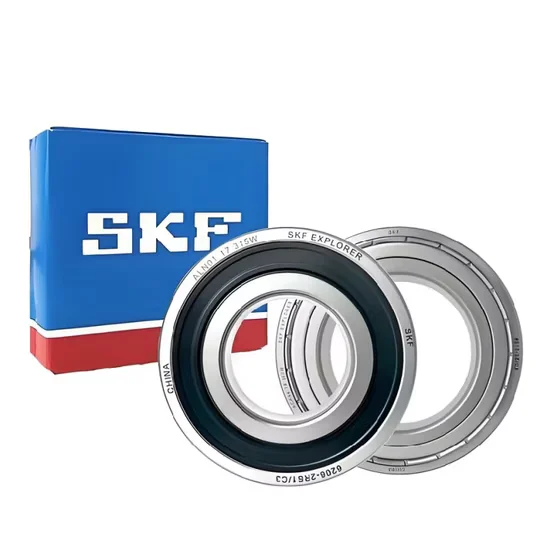
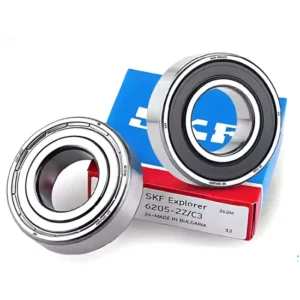
Listed data for this SKF designation; confirm the execution and dimensions against your drawing or application before ordering.
Mixed-Brand Sourcing — Consolidate your premium bearing orders with other international lines in a single shipment without juggling multiple vendors.
Technical Specifications
| Parameter | Value |
| Designation | 6301-2z-L038-C3/6306-2z-L237-C4/6318/6319/6320/632 |
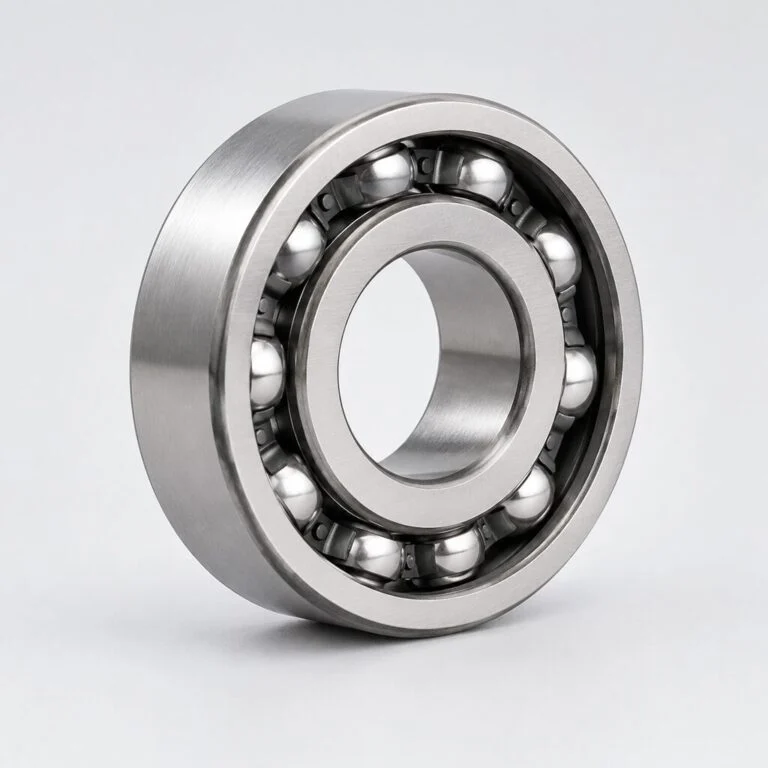
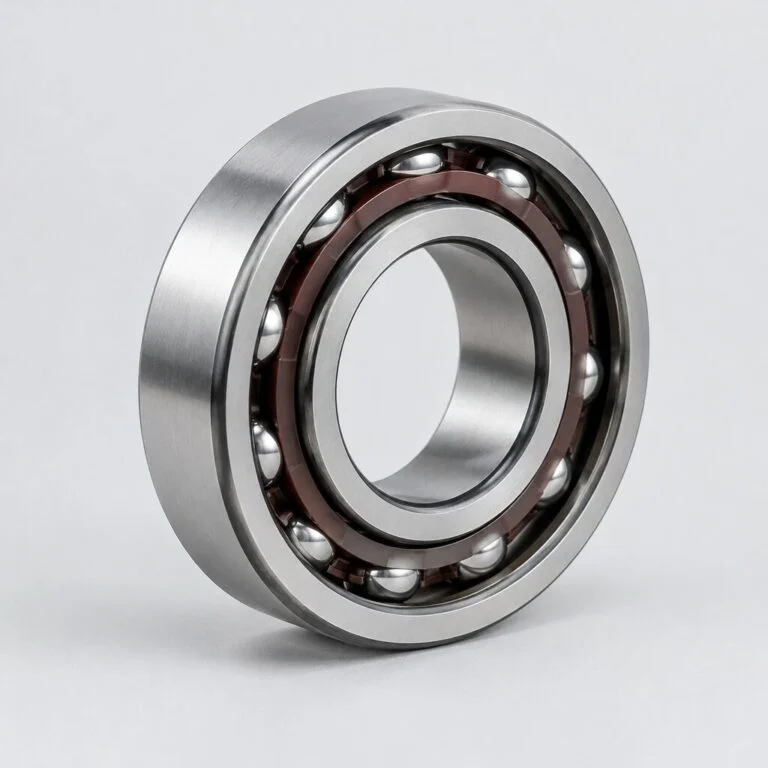
| Bearing Type | Deep Groove Ball Bearing |
| Bore Diameter (d) | 90 mm |
| Outside Diameter (D) | 190 mm |
| Width (B) | 43 mm |
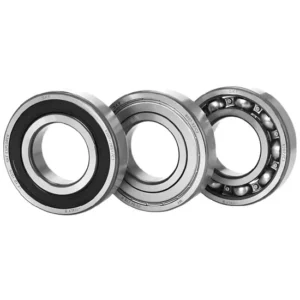
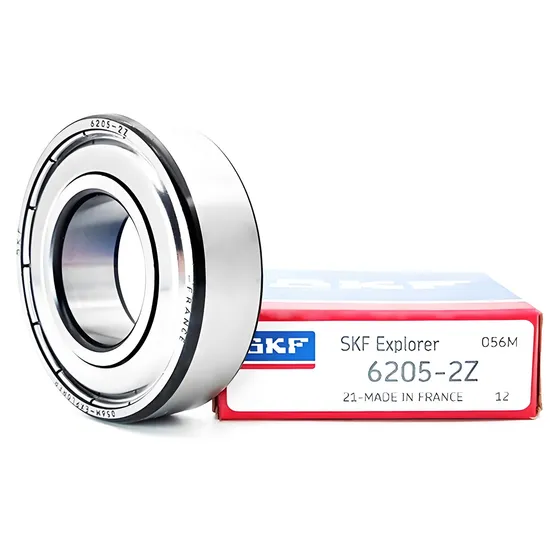
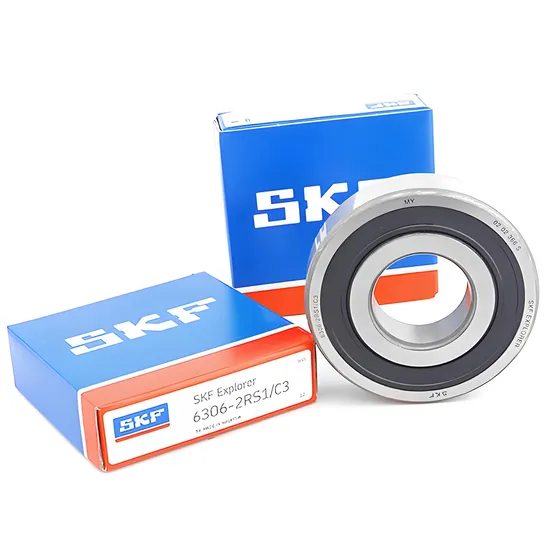
| Seal or Shield Type | Double shielded (2Z) / Double contact seal (2RS1) / Open |
| Clearance Class | C3 / C4 |
| Precision Class | P0 / P6 / P5 / P4 / P2 |
| Material | Bearing Steel |
| Contact Angle | 0° |
| Origin | Sweden |
L038 and L237 are unverified suffixes requiring manufacturer catalog confirmation.
Application Suitability
| Industry | Typical Applications |
| Electric Motors | High-speed rotor shafts requiring low vibration and precise radial support |
| Industrial Pumps | Impeller shafts operating under continuous radial loads and moderate axial thrust |
| Gearboxes | Intermediate shafts demanding high rotational accuracy and reliable grease retention |
Why Seal and Clearance Mismatches Destroy SKF 6301-2z-L038-C3/6306-2z-L237-C4/6318/6319/6320/632 deep groove ball bearing Performance
Mismatched seals and incorrect internal clearances cause thermal seizure long before the steel fatigues.
I have seen too many motor plants substitute double-shielded variants for contact-sealed ones, trapping heat and baking the grease solid. When dealing with the SKF 6301-2z-L038-C3/6306-2z-L237-C4/6318/6319/6320/632 deep groove ball bearing, ignoring the suffix differences between C3 and C4 clearances in high-temperature environments guarantees premature failure. Engineers often overlook how thermal expansion alters internal fits, leading to catastrophic seizures that halt entire production lines.

Matching Configurations to Target Operational Profiles
Matching the exact configuration of the SKF 6301-2z-L038-C3/6306-2z-L237-C4/6318/6319/6320/632 deep groove ball bearing to your operational environment prevents unexpected downtime. Our engineering team cross-references your specific motor or pump parameters against official catalogs to ensure the selected shield type and clearance class align perfectly with your thermal and contamination profiles.
Navigating Dynamic Loads and Thermal Challenges
Electric motors and industrial gearboxes subject these components to continuous radial loads, high rotational speeds, and significant thermal expansion cycles. Selecting the right lubrication and seal configuration is critical; non-contact shields minimize friction heat, while contact seals prevent dust ingress at the cost of slightly higher operating temperatures. Furthermore, accommodating shaft expansion requires precise clearance selection to avoid internal preload buildup during operation. Ignoring these dynamic operational challenges inevitably leads to accelerated fatigue and unexpected equipment stoppages.
Decoding Shields, Seals, and Clearance Classes
The 2Z double shield configuration provides excellent contamination protection with minimal friction, making it ideal for high-speed electric motors where heat generation must be strictly controlled. Conversely, the 2RS1 double contact seal offers superior dust exclusion for harsher environments, though it introduces slightly higher frictional torque. The C3 and C4 clearance classes are specifically engineered to accommodate thermal expansion and tight interference fits, preventing the internal clearance from closing up completely when the shaft heats up during continuous duty. Properly matching these suffix codes to the actual operating environment is the cornerstone of reliable mechanical design.
The Hidden Costs of Incorrect Suffix Selection
Specifying a standard clearance instead of C3 or C4 in a high-temperature motor application leads to internal preload, causing catastrophic damage and unplanned downtime. Similarly, using an open bearing in a dusty gearbox without an external sealing mechanism results in rapid abrasive wear and lubricant degradation. These misconfigurations routinely void warranties and trigger premature failure modes outlined in international standards. The financial impact extends far beyond the replacement part, encompassing lost production hours and secondary damage to adjacent drive components.
Procurement Advantages for Critical Drive Components
We maintain massive spot inventory covering thousands of standard and special part numbers, ensuring you receive the exact suffix configuration without waiting for factory lead times. Our technical selection support helps you avoid the costly mistake of confusing 2Z shields with 2RS1 seals, a common error that destroys motor bearings. Every shipment includes complete traceability documentation, and our flexible MOQ accommodates everything from single-unit emergency replacements to full container consolidation. We also provide cross-brand equivalent model consultation if your original equipment manufacturer specifies an alternative premium line.
Documentation & Authenticity
- Certificate of Conformity verifying the Swedish manufacturing origin for every unit.
- Official app QR code scanning to guarantee genuine SKF 6301-2z-L038-C3/6306-2z-L237-C4/6318/6319/6320/632 deep groove ball bearing authenticity.
- Dimensional inspection reports confirming P0 to P2 precision tolerances before dispatch.
- Original batch traceability records linking the physical product to the factory production lot.
Storage, Handling & Mounting Protocols
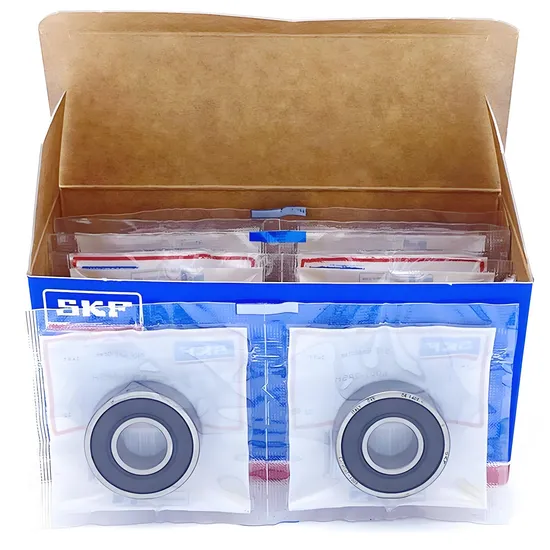
- Keep the 2Z shielded variants in their original packaging to prevent moisture from compromising the factory-filled grease.
- Use induction heating for mounting the larger 6318 to 6320 bore sizes to avoid damaging the precision raceways.
- Store C3 and C4 clearance bearings away from direct sunlight to maintain the stability of the internal lubricants.
- Handle open-type configurations with clean lint-free gloves to prevent particulate contamination before installation.
Technical Inquiry and Verification Guidance
To ensure accurate technical verification, please share your specific radial and axial loads, operating speeds, and ambient temperatures. Providing your OEM equipment numbers allows our team to perform precise cross-reference checks and L10 life recalculations. This data enables us to recommend the optimal seal and clearance combination for your exact application.
Frequently Asked Questions
Q: How do I verify the authenticity of the SKF 6301-2z-L038-C3/6306-2z-L237-C4/6318/6319/6320/632 deep groove ball bearing using the official app?
A: Download the official manufacturer application and use the built-in scanner to read the QR code on the product packaging. This instantly checks the unique identifier against the global database, confirming the Swedish origin and authenticating the specific suffix configuration you ordered.
Q: What is the practical difference between 2Z shields and 2RS1 seals in these deep groove ball bearings?
A: The 2Z double shields are non-contact metal covers that minimize friction and heat, making them perfect for high-speed electric motors. The 2RS1 contact seals use rubber lips that press against the inner ring, providing superior dust exclusion for harsher environments, albeit with slightly higher frictional torque.
Q: When should I specify C3 or C4 clearance instead of standard CN for motor applications?
A: You must select C3 or C4 clearance when the bearing operates at elevated temperatures or requires a tight interference fit on the shaft. These larger internal clearances compensate for thermal expansion and assembly stresses, preventing the internal gap from closing completely and causing thermal seizure during continuous operation.
Q: How do precision ratings from P0 to P2 affect electric motor performance?
A: Higher precision classes like P4 or P2 ensure tighter dimensional and running accuracy tolerances, which significantly reduces vibration and noise in high-speed electric motors. While P0 is sufficient for general industrial gearboxes, precision motors demand stricter tolerances to maintain rotor stability and extend the operational lifespan of the equipment.