
Small Bearing Parcels: Global Wholesale Supplier for Bulk & Mixed Orders
Most buyers assume LCL consolidation is just stuffing boxes into a container.
Shipping small bearing parcels internationally requires strict anti-rust isolation, precise mixed-model customs declaration, and accurate volumetric weight calculation to prevent port delays and cargo damage.
I used to think that combining shipments was purely a logistics math problem. If the weights added up and the volume fit, the job was done. That mindset changed during a shipment to Jeddah. The order included SKF deep groove ball bearings mixed with domestic spherical roller bearings. To save on freight, I consolidated them into a small parcel without rigorous internal wooden pallet isolation. The result was a mess. Anti-rust oil leaked from one batch, staining the packaging of the other. Worse, the customs declaration listed them under a single generic code. The shipment sat in customs for weeks while authorities demanded itemized HS codes. The client nearly rejected the entire lot. That incident taught me that shipping small bearing parcels internationally is less about space optimization and more about contamination control and regulatory precision.
The core challenge isn’t moving the goods; it’s keeping them distinct and compliant. When you mix brands or types, you are not just shipping metal rings. You are managing chemical interactions between different rust preventatives and navigating complex tariff classifications. Ignoring these details turns a cost-saving strategy into a financial liability.
How to Prevent Rust Contamination in Mixed LCL Shipments?
Proper wooden pallet isolation is critical to avoid oil leakage and cross-contamination.
Bearings are typically coated with anti-rust oil before packaging. Different manufacturers use different formulations. Some are volatile, some are waxy, and others are fluid. When you pack mixed brands together in a tight LCL (Less than Container Load) configuration, temperature fluctuations during ocean transit can cause these oils to migrate. Without physical barriers, the oil from a heavily coated industrial bearing can seep into the paper packaging of a precision instrument bearing, ruining its aesthetic and potentially affecting its performance.
The solution lies in rigid isolation. It is not enough to wrap each box in plastic. You need structural separation.
| Isolation Method | Protection Level | Risk of Cross-Contamination | Suitability for Mixed Brands |
|---|---|---|---|
| No Separation | None | High | Not Recommended |
| Plastic Wrap Only | Low | Moderate | Risky for long transits |
| Wooden Pallet Partition | High | Minimal | Recommended |
| Individual Crating | Very High | None | Overkill for small parcels |
Using wooden pallets with vertical dividers creates air gaps and physical barriers. This prevents direct contact between boxes of different brands. In my experience, omitting this step leads to visible staining on outer cartons, which raises red flags for receivers who suspect water damage or poor handling. Even if the bearings inside are fine, the perceived quality drops immediately.
For shipping small bearing parcels internationally, the goal is to maintain the integrity of the original manufacturer’s packaging. If the outer box looks compromised, the buyer assumes the interior is too. Structural isolation ensures that even if one box leaks, the damage is contained within its own compartment. This is especially vital when mixing premium European brands with domestic lines, as the packaging materials often have different absorbency rates.
Why Do Mixed Bearing Parcels Get Stuck at Customs?
Detailed HS code separation prevents declaration holds and inspection delays.
Customs authorities do not see "bearings." They see specific tariff codes based on type, size, and application. A deep groove ball bearing has a different HS code than a tapered roller bearing. When you consolidate a mixed order, declaring them under a single generic code is a frequent error. This triggers manual inspections because the declared value or description does not match the physical diversity of the cargo.
In the Jeddah case, the delay wasn’t just about the oil. It was the paperwork. The customs broker had listed the entire pallet under one broad category. Officers opened the container, saw multiple brands and types, and flagged it for discrepancy. They required a revised invoice breaking down every SKU by its correct HS code. This process took weeks.
To avoid this, your commercial invoice must mirror the physical packing list exactly. Each brand and type should be line-itemed with its specific HS code. This transparency speeds up clearance. It shows that you understand the regulatory landscape. For shipping small bearing parcels internationally, precision in documentation is as important as the physical protection of the goods.
Buyers in regions with strict import controls, such as the Middle East or South America, are particularly sensitive to these discrepancies. A hold-up at port means storage fees, demurrage charges, and production delays for the end-user. By pre-separating the codes, you remove the ambiguity that causes these bottlenecks. It transforms your shipment from a suspicious mixed bag into a transparent, compliant consignment.
How to Calculate Freight Costs for Small Bearing Parcels?
Accurate volumetric weight calculation avoids hidden surcharges and budget overruns.
Freight forwarders charge based on whichever is greater: actual weight or volumetric weight. Bearings are dense, so buyers often assume they will be charged by actual weight. However, when you add protective packaging, wooden pallets, and isolation materials, the volume expands significantly. If you only calculate based on the net weight of the bearings, you will face unexpected surcharges upon arrival.
The formula is standard: Volume (cm) / Divisor = Volumetric Weight (kg). The divisor varies by carrier and mode, but the principle remains. A small parcel of bearings might weigh ten kilograms, but if it is packed in a large box with excessive void fill, the volumetric weight could be twenty kilograms. You pay for the space, not just the mass.
| Cost Factor | Impact on Final Freight | Mitigation Strategy |
|---|---|---|
| Net Weight | Low for dense items | Accurate scale measurement |
| Packaging Volume | High if inefficient | Right-sized boxes |
| Pallet Dimensions | Significant | Optimized pallet layout |
| Void Fill | Moderate | Minimal necessary cushioning |
In my early days, I underestimated the bulk of wooden isolators. I quoted the client based on net weight. When the final bill arrived, it was nearly double the estimate. The client was upset, not because of the cost itself, but because of the lack of transparency. Now, I always calculate based on the outer dimensions of the fully packed pallet. This ensures the quote is realistic.
For shipping small bearing parcels internationally, this accuracy builds trust. Buyers appreciate knowing the full landed cost upfront. It also encourages efficient packaging. By minimizing empty space and using compact isolation methods, you reduce the volumetric weight, lowering the freight cost for everyone. It is a win-win that requires careful planning before the box is even sealed.
What Documents Are Required for Global Bearing Delivery?
Complete traceability and commercial invoices ensure smooth clearance and authenticity verification.
Beyond the commercial invoice and packing list, certain markets require additional documentation. Certificates of Origin are common. For branded bearings like SKF, FAG, or NSK, buyers often request proof of authenticity. This can come in the form of authorized distributor certificates or batch-specific quality reports.
Without these documents, buyers may struggle to resell the goods or use them in regulated industries. In the automotive or aerospace sectors, traceability is non-negotiable. If a bearing fails, they need to know its origin. Your documentation provides that chain of custody.
I once dealt with a buyer in Southeast Asia who needed to prove the bearings were genuine for a government tender. Because we provided full traceability docs with the shipment, he won the contract. Without them, he would have been disqualified. This level of support is part of professional shipping small bearing parcels internationally. It is not just about moving metal; it is about enabling the buyer’s business.
Ensuring these documents are prepared before shipment saves time later. It prevents requests for retroactive paperwork, which can be difficult to obtain once the goods have left the warehouse. A complete document set signals professionalism and reduces the administrative burden on the buyer.
Conclusion
Precision in packaging and paperwork defines successful international bearing logistics.
Shipping mixed orders requires more than just space management. It demands an understanding of chemical compatibility, regulatory classification, and freight mathematics. By isolating products physically, detailing customs codes, and calculating volumetric weight accurately, you protect both the cargo and the business relationship. These steps transform a potential logistical nightmare into a seamless transaction. For shipping small bearing parcels internationally, attention to these details is the difference between a delayed shipment and a satisfied customer.
Products in this article
SKF bearings mentioned above
 01 Cylindrical Roller Bearing Small Gap Double Row Cylindrical Roller Bearing NU317 EC M/C3 for Industrial Machinery with 60-64 HRC Hardness View model details
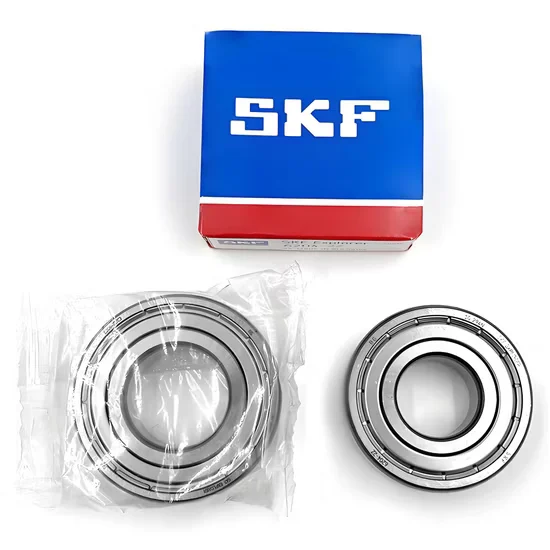 02 Deep Groove Ball Bearings SKF 6200 6300 Deep Groove Ball Bearing Genuine Wholesale Supplier View model details
 03 Deep Groove Ball Bearings SKF 608 Deep Groove Ball Bearing Genuine Stock Wholesale Supplier View model details
 04 Cylindrical Roller Bearings Nu222 Ec J/C3 Single Row Cylindrical Roller Bearing Zhaoyun Wholesale Supplier View model details
Keep reading
Related SKF bearing selection guides
More practical notes on SKF designations, precision items and project bearing lists from Project Purchasing Company.
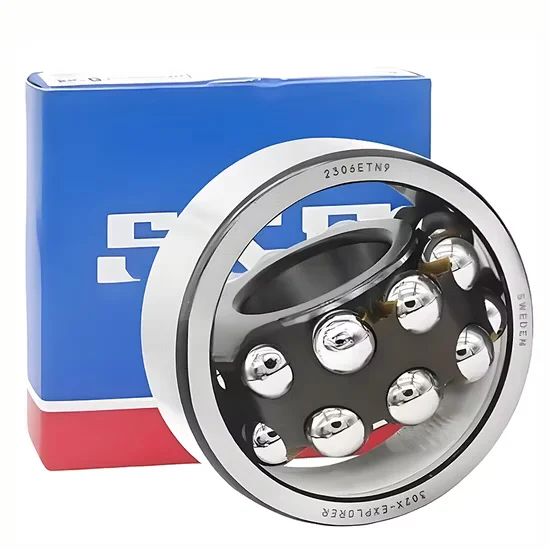 Procurement & Trade FAQs · · 7 min read Ball Bearing Supplier to Latin America: Genuine SKF, FAG, NSK Wholesale Sourcing genuine ball bearings for Latin America demands strict customs compliance to avoid costly port delays. Master precise HS codes and Certificates of Origin… Read the guide
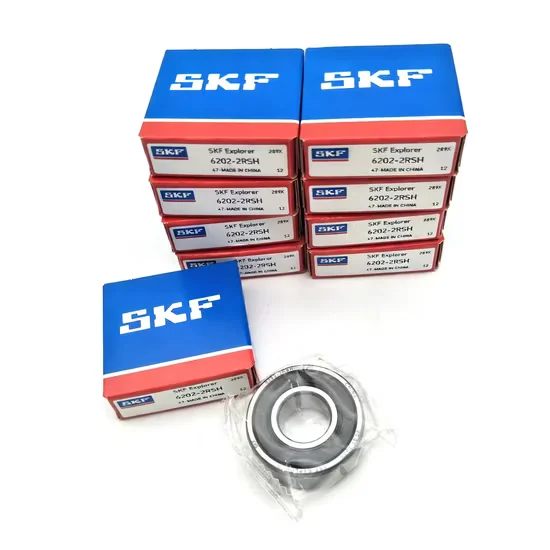 Procurement & Trade FAQs · · 8 min read Genuine Ball Bearing Supply to Southeast Asia Wholesale Master Ball Bearing Supply to Southeast Asia by prioritizing customs compliance and verified authenticity over marginal price differences. Learn how mixed-brand consolidation, accurate HS… Read the guide
 Procurement & Trade FAQs · · 7 min read Genuine Ball Bearings for Africa & Middle East Wholesale Supplier Secure genuine ball bearing supply to Africa and Middle East with strict customs compliance and authentic mixed-brand consolidation. Master SONCAP clearance, optimize container loading,… Read the guide

Request a quote
Send your SKF list. Get one itemized written quote.
Project Purchasing Company supplies SKF ball, roller, precision and housed bearing units to distributors, repair workshops and project buyers worldwide. Standard and precision items are priced line by line, with accessories kept on the same quote.