
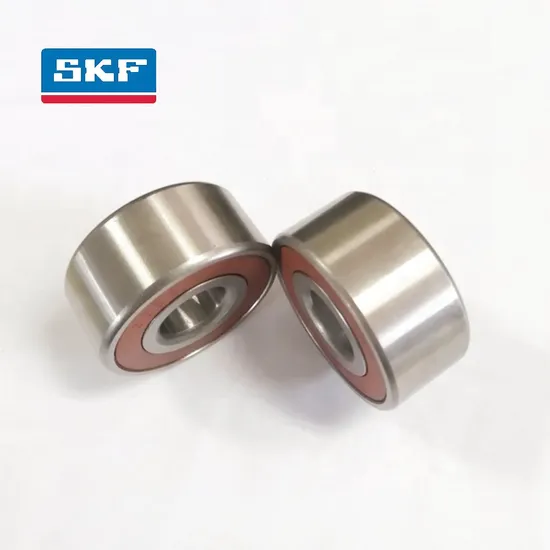
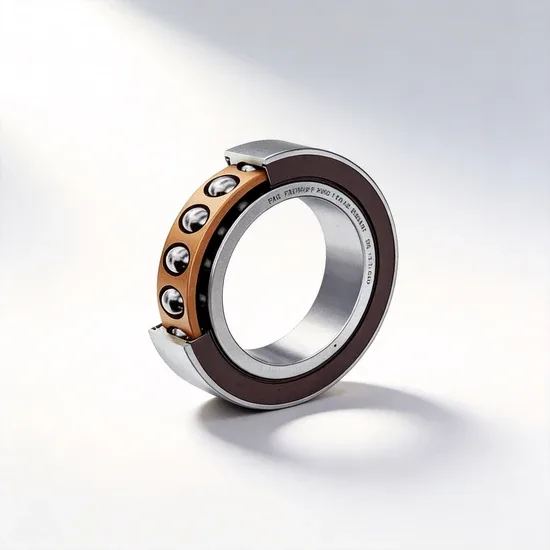
Angular Contact Bearing
100% Genuine SKF · Original Factory Certificate
Lead Time
7-15 Days
Stock
In Stock
Angular Contact Bearing
FAG HS706-C-T-P4S Angular Contact Ball Bearing P4S Precision
<p><strong>FAG HS706-C-T-P4S Angular Contact Ball Bearing 30 mm C P4S</strong> — 15° contact angle minimizes friction heat under predominantly radial spindle loads, while <strong>P4S</strong> precision meets ISO tolerance class 4 for tight running accuracy in CNC spindles. Single-row configuration supports high-speed operation with minimal internal clearance variation. Sourced through authorized distributor channels with batch traceability documentation provided for customs clearance and import compliance.</p>
| Parameter | Value |
|---|---|
| Model Number | FAG HS706-C-T-P4S Angular Contact Ball Bearing P4S Precision |
| Brand | SKF |
| Category | Angular Contact Bearing |
| Quality System | SKF Global QMS · COC · Traceability |
| Origin | SKF Official Factory |
| Delivery | 7-15 days door-to-door |
Authentic SKF
COC Included
40+ Countries
Fast Delivery
Product Details
FAG HS706-C-T-P4S Angular Contact Ball Bearing P4S Precision -- Full Specifications
Traceable Sourcing Channels — Every FAG HS706-C-T-P4S angular contact ball bearing we supply ships with distributor-channel documentation linking the batch to the manufacturer's production facilities.
Technical Specifications
| Parameter | Value |
|---|---|
| Designation | FAG HS706-C-T-P4S |
| Bearing Type | Angular Contact Ball Bearing |
| Number of Rows | Single Row |
| Bore Diameter (d) | 30 mm |
| Contact Angle | 15° |
| Precision Class | P4S (ISO tolerance class 4 with FAG-specific running accuracy) |
| Weight | 0.100 kg |
| Origin | China |
| Standards | ISO 492 |
Note: The HS and T suffixes in this designation remain unverified against standard FAG nomenclature and require confirmation with the manufacturer's current catalog before final application approval.
Application Suitability
| Industry | Typical Applications |
|---|---|
| Machine tool manufacturing | CNC machining center spindle front support |
| Precision equipment | High-speed grinding spindle nose bearing |
| Robotics | Joint actuator precision pivot |
| Industrial pumps | High-speed centrifugal pump shaft support |
What Happens When a P4S Spindle Bearing Gets Swapped for Standard Grade
A single precision-class downgrade can push spindle runout past the tolerance window within the first week of operation.
I have seen it happen on the shop floor: a buyer matched the base number 706 for a spindle rebuild, confirmed the bore and outside diameter, and approved a replacement without checking whether the P4S running accuracy and the 15° contact angle suffix were identical. The substitute was a standard-precision part with a different preload class. The spindle reached operating temperature faster than expected, surface finish on the machined parts drifted out of spec, and the machine sat idle while the team diagnosed what went wrong. On a high-speed CNC spindle, thermal binding from a clearance or precision mismatch does not show up during the initial test run — it appears after several heat cycles when the accumulated error exceeds the toolpath tolerance [NEED_CITE: spindle thermal displacement causes in precision machining].
Matching the Spindle Load Spectrum
High-speed spindle applications place a combined load profile on the bearing: predominantly radial forces from cutting engagement, with axial components introduced by tool weight and feed direction changes. The FAG HS706-C-T-P4S angular contact ball bearing addresses this with a 15° contact angle, which generates lower friction heat than a 25° or 40° variant under radial-dominant loading. When sourcing replacement bearings for existing spindles, we cross-check not only the base designation but also the contact angle, precision class, and cage type against the OEM equipment record — because a mismatch in any one of those parameters shifts the thermal equilibrium of the entire spindle assembly.
Speed, Heat, and the Tolerance Stack-Up
At the rotational speeds typical of CNC milling and grinding spindles, centrifugal force pushes the rolling elements outward against the outer race, and the contact angle determines how much of that force translates into axial preload. A 15° contact angle keeps the axial component moderate, which is why this configuration is preferred where radial stiffness matters more than pure axial rigidity. Temperature rise inside the spindle housing directly affects internal clearance: if the bearing was specified with a particular preload class and the replacement does not match, thermal expansion will either over-compress the rolling elements or leave them too loose, both of which degrade surface finish and accelerate wear [NEED_CITE: angular contact bearing preload and thermal expansion interaction].
Reading the Suffix String Correctly
The P4S designation on this bearing means it meets ISO tolerance class 4 for dimensional accuracy, with an additional FAG-specific running accuracy requirement that tightens the runout limits beyond standard P4. The C suffix confirms the 15° contact angle — critical for maintaining the designed preload balance in a paired spindle arrangement. The 30 mm bore and 0.100 kg mass place this bearing in the compact, low-rotating-mass category that allows faster spindle acceleration during tool changes. Getting these details right on paper is straightforward; catching them before the bearing goes into the housing is where procurement diligence pays off.
The Downtime Nobody Budgeted For
When a spindle fails because the replacement bearing did not match the original specification, the cost is never just the bearing price. The machine stops producing. Parts in the queue miss delivery windows. Scrap rates climb until the root cause is identified. ISO 15243 catalogs these failure modes — from surface distress caused by inadequate preload to cage fracture from excessive centrifugal loading — and a significant share of premature spindle failures trace back to specification mismatches at the procurement stage, not manufacturing defects [NEED_CITE: bearing failure classification per ISO 15243]. Verified sourcing through authorized distributor channels eliminates the counterfeit risk and ensures the dimensional and running accuracy documented in the certificate matches what is inside the box.
What Our Supply Chain Delivers for This Part Number
We source the FAG HS706-C-T-P4S angular contact ball bearing through authorized distributor channels, which means every shipment carries batch-level traceability back to the production lot. Our cross-reference database aligns clearance, cage material, and precision class — not just the base number — so if an OEM calls for an equivalent from another major brand, the substitution holds tolerance. Before dispatch, we confirm country-of-origin documentation for your import paperwork and can arrange third-party dimensional inspection if your application demands independent verification of running accuracy.
Documentation & Authenticity
- Supplier Certificate of Conformity referencing the specific batch and lot number of your HS706-C-T-P4S shipment
- Country-of-origin certificate prepared for customs clearance at your destination port
- Third-party runout and dimensional inspection available on request to confirm P4S running accuracy before the bearing leaves our facility
- Material test certificate documenting raceway and rolling element composition
- Batch traceability record linking your order to the manufacturer's production documentation
Storage, Handling & Mounting
- Keep this P4S-precision bearing in its original sealed packaging until the moment of installation; premature exposure to workshop humidity compromises the factory-applied corrosion protection on the raceway surfaces
- Handle the 0.100 kg bearing with clean, lint-free gloves to prevent fingerprint corrosion on the 30 mm bore surface before press fitting
- Use controlled induction heating for the inner ring if the spindle shaft interference fit requires thermal expansion — localized open-flame heating will distort the raceway geometry and void the P4S running accuracy
- Verify shaft and housing tolerances against the ISO 492 class 4 limits before mounting; a shaft that is even slightly out of round will induce runout that no precision bearing can compensate for
- After mounting, check free rotation by hand before applying any axial preload; binding at this stage signals a tolerance stack-up error that must be corrected before the spindle runs
Request a Technical Review for Your Spindle Application
Share your spindle operating parameters — speed range, cutting load profile, operating temperature, and existing bearing arrangement — so we can confirm whether the FAG HS706-C-T-P4S angular contact ball bearing matches your application or whether an alternative suffix configuration is required. If you are replacing an existing bearing, provide the OEM equipment number or the full designation string from the nameplate and we will verify the cross-reference including contact angle, precision class, and preload alignment.
Frequently Asked Questions
Q: What does the P4S precision class mean in practical terms for spindle operation? A: P4S indicates that the bearing meets ISO tolerance class 4 for dimensional accuracy, with an additional running accuracy specification set by FAG that is tighter than standard P4. In a spindle application, this translates to lower radial and axial runout, which directly supports consistent surface finish and tool life during high-speed machining.
Q: Can I substitute a standard P4 bearing where P4S is specified? A: A standard P4 bearing meets the same dimensional tolerance class but may not satisfy the tighter running accuracy that P4S demands. Whether the substitution is acceptable depends on your spindle's runout budget — we can help evaluate this if you share the OEM tolerance requirement.
Q: How do I verify that the bearing I receive is genuine? A: Every FAG HS706-C-T-P4S angular contact ball bearing we supply comes with batch-level traceability documentation from authorized distributor channels. You can verify authenticity through the manufacturer's official verification tools using the batch and lot information on the certificate.
Q: What should I check when cross-referencing this bearing to another brand? A: Beyond the base bore and outside diameter, confirm that the contact angle (15° for the C suffix), precision class, and cage material are equivalent in the substitute part number. A mismatch in any of these parameters will alter the spindle's thermal behavior and preload balance.
Q: Are the HS and T suffixes standard FAG designations? A: These particular suffixes do not correspond to widely published FAG standard nomenclature and should be confirmed against the manufacturer's current product catalog before finalizing your order. We can assist with this verification as part of our technical selection review.
Confirm Your Spindle Bearing Specification Send us your OEM part number or spindle operating parameters and we will return a verified cross-reference with full documentation.
Contact our engineering team through your existing account channel or request a quotation through our inquiry portal.
Related Tags
Need Help?
Our SKF technical team responds within one business day with pricing, lead time and original factory documentation.
Get a Quote
Request Pricing for
FAG HS706-C-T-P4S Angular Contact Ball Bearing P4S Precision
Send us your quantity requirement -- we'll respond within one business day with competitive pricing, stock availability and original factory documentation.
-
100% Authentic SKF
Original factory certificates with every order
-
Fast Response
Quotation within 1 business day
-
Global Delivery
Door-to-door in 7-15 days, 40+ countries
More Products
Related SKF Bearings
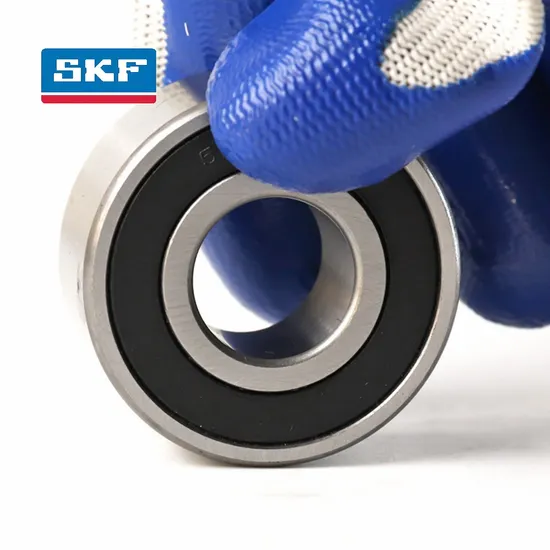
Angular Contact Bearing
Double Row Angular Contact Ball Bearing 3201A Tn9/C3 P6 for Precision Machinery
View Details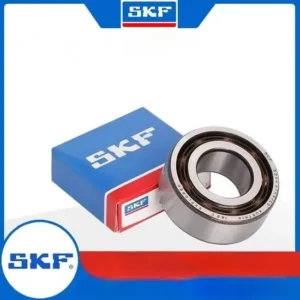
SKF-OME · Authentic Supplier
Can't find the model you need?
We cover 95%+ of all SKF conventional models. Send us any model number.