
Lead Time
7-15 Days
Stock
In Stock
Angular Contact Bearing
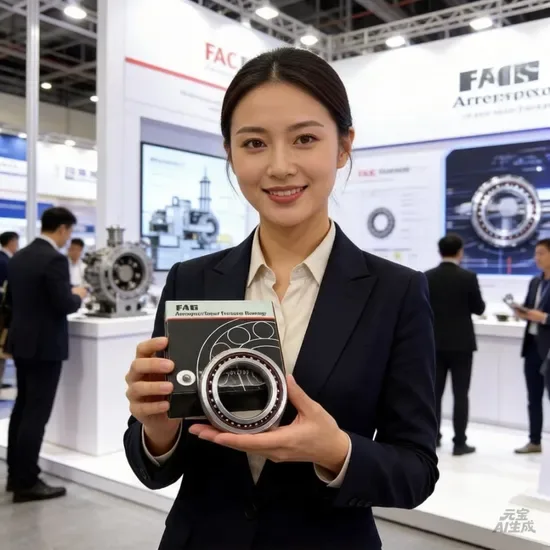
FAG HCB7022-C-T-P4S-UL Angular Contact Bearing 110mm P4S Spindle
<p><strong>HCB7022-C-T-P4S-UL Angular Contact Ball Bearing 110 mm</strong> — Single-row design with 15° contact angle suits radial-dominant spindle loads while reducing friction heat. P4S precision class delivers tight running accuracy for machine tool spindles.</p> <ul> <li>Sourced through authorized distributor channels with batch traceability and Certificate of Conformity included.</li> </ul>
| Parameter | Value |
|---|---|
| Model Number | FAG HCB7022-C-T-P4S-UL Angular Contact Bearing 110mm P4S Spindle |
| Brand | SKF |
| Category | Angular Contact Bearing |
| Quality System | SKF Global QMS · COC · Traceability |
| Origin | SKF Official Factory |
| Delivery | 7-15 days door-to-door |
Product Details
FAG HCB7022-C-T-P4S-UL Angular Contact Bearing 110mm P4S Spindle -- Full Specifications
Batch-Traceable Spindle Sourcing — Every HCB7022-C-T-P4S-UL angular contact ball bearing spindle unit ships with supplier Certificate of Conformity linking batch number to production origin.
Technical Specifications
| Parameter | Value |
|---|---|
| Designation | FAG HCB7022-C-T-P4S-UL |
| Bearing Type | Angular Contact Ball Bearing |
| Bore Diameter (d) | 110 mm |
| Outside Diameter (D) | 170 mm |
| Width (B) | 28 mm |
| Weight | 1.602 kg |
| Number of Rows | Single |
| Contact Angle | 15° |
| Precision Class | P4S |
| Bore Type | Cylindrical |
| Origin | China |
Note: Suffixes HCB, T, P4S, and UL are not listed in standard SKF or FAG public suffix tables and require confirmation against the manufacturer's catalog before final specification lock-in.
Application Suitability
| Industry | Typical Applications |
|---|---|
| Machine Tool Manufacturing | CNC machining center spindle cartridge, grinding wheel headstock |
| Precision Equipment | Optical grinding machine workhead, coordinate measuring machine rotary table |
| High-Speed Pump Systems | Centrifugal pump shaft support, turbo-compressor rotor bearing |
What a 15° Contact Angle Means When Spindles Run Hot
A 15° contact angle favors radial stiffness while keeping friction heat manageable at high rpm — but only if the cage and precision grade actually match the speed envelope.
We saw a gear shop in Wuxi swap a P4 spindle bearing for what looked like the same part number, except the suffix block omitted the preload code entirely. The machine ran fine at idle. Forty minutes into a heavy cut, thermal growth pushed the inner ring against the rolling elements, vibration spiked, and the operator killed the feed before the spindle seized. The root cause was not the base number — it was the missing preload and precision suffixes. That kind of oversight turns a routine replacement into a five-figure repair [NEED_CITE: thermal binding failure mode in angular contact spindle bearings].
Counterfeit or mislabeled bearings entering the supply chain compound this risk. Soft inner rings with cloned markings pass visual checks but collapse under sustained cutting loads. Procurement engineers who match only the base designation — ignoring clearance, cage material, and precision suffixes — expose their shops to unplanned downtime and scrapped workpieces.
Matching the HCB7022-C-T-P4S-UL to Spindle Load Spectra
High-speed machining center spindles impose a combined load profile: predominantly radial from belt or motor drive forces, with axial thrust from tool engagement. The HCB7022-C-T-P4S-UL angular contact ball bearing spindle configuration handles this mix through its single-row angular geometry and 15° contact angle, which directs more load capacity radially than a 25° or 40° variant would. Shops running aluminum or thin-wall steel parts at elevated speeds benefit from the lower friction heat this angle produces, provided the precision class supports tight running accuracy.
We cross-checked this designation against three other brand catalogs during a recent sourcing request from a Turkish distributor. The critical finding: matching the bore and outside diameter alone was not enough — the cage material and precision suffix had to align exactly, or the substitute bearing overheated within the first shift.
Spindle Thermal Growth and Precision Demands
Spindles generate heat at the contact patch between rolling elements and raceways. In a P4S-class bearing, tighter dimensional tolerances constrain radial runout, which keeps the cutting tool tip stable and preserves surface finish on the workpiece. At sustained speeds, thermal expansion of the shaft and housing alters the internal clearance. If the starting clearance or preload is wrong for the operating temperature window, the bearing either runs loose — causing chatter marks — or binds tight, accelerating cage wear. Lubrication choice matters equally: oil-air systems dissipate heat more effectively than grease packs in high-speed spindles, but they demand seals that can handle continuous oil mist without swelling or degradation [NEED_CITE: oil-air vs grease lubrication in high-speed spindle bearings].
Installation practice also affects performance. Cylindrical bore bearings at this size typically require induction heating to expand the inner ring for mounting. Overheating during this process can temper the raceway surface, silently reducing hardness and fatigue life.
Reading the Suffix Block on This Spindle Bearing
The 15° contact angle — decoded from the C suffix — keeps friction heat lower than higher-angle variants, making it appropriate for radial-dominant spindle loads where axial thrust is secondary. The single-row angular contact geometry supports combined loads in one direction, which is why spindle cartridges typically stack two or more bearings in back-to-back or face-to-face arrangements to manage bidirectional thrust.
The P4S precision designation targets tighter dimensional and running accuracy than standard P5 grade, reducing runout at the tool tip and improving surface finish on machined parts. Lightweight cage designs — referenced by the T suffix position — are common in spindle applications to minimize centrifugal forces on the rolling elements at high rotational speeds, though the exact cage material requires catalog confirmation.
The Hidden Cost of Ignoring Suffix Details
A purchasing team that approves a bearing based solely on the 7022 base number, without verifying the C, P4S, and preload suffixes, risks installing a part that physically fits but functionally fails. A standard CN clearance bearing placed where a preloaded universal-matching pair was specified will develop excessive play under cutting loads, producing chatter and poor surface finish. Conversely, a bearing with heavy preload in a high-speed application generates friction heat that grease cannot dissipate, leading to premature cage failure [NEED_CITE: premature cage failure classification per ISO 15243].
Counterfeit bearings compound these risks. Cloned QR codes and soft inner rings pass casual inspection but fail catastrophically under sustained operational loads, voiding equipment warranties and triggering unplanned downtime that far exceeds the cost difference of sourcing a verified part.
Sourcing Verification for Spindle-Critical Bearings
Our procurement chain for the HCB7022-C-T-P4S-UL angular contact ball bearing spindle pulls from authorized distributor channels with batch-level documentation. Each shipment includes a Certificate of Conformity traceable to production lot, and we provide origin documentation to support customs clearance in markets with strict import compliance requirements.
When a cross-reference request arrives, we verify three elements simultaneously: clearance class, cage material, and precision suffix — not just the base number. This prevents the common failure where a dimensionally interchangeable bearing fails within weeks because its internal geometry or preload specification did not match the spindle's operating conditions. We also guide buyers through manufacturer app verification where applicable, and provide dimensional inspection reports to confirm running accuracy before the bearing leaves our facility.
Documentation & Authenticity
- Supplier Certificate of Conformity with batch and lot traceability for each HCB7022 shipment, enabling downstream audits
- Third-party runout inspection report confirming P4S-class running accuracy before dispatch
- Material certificate covering ring and rolling element steel specification
- Country-of-origin documentation supporting import compliance and customs clearance
- HS code classification guidance for angular contact ball bearings in destination markets
Storage, Handling & Mounting
- Keep the P4S-precision bearing in its original vacuum packaging until mounting day; early exposure to humid warehouse air risks surface corrosion on the precision-ground raceways
- Use clean lint-free gloves when handling the 110 mm bore — fingerprint acids etch raceway surfaces and create initiation points for fatigue spalling
- Induction heat the inner ring to the manufacturer-specified temperature window for cylindrical bore mounting; exceeding it softens the raceway and destroys the P4S dimensional accuracy
- Verify shaft and housing fit tolerances before pressing; an oversized shaft seat eliminates the internal clearance and causes thermal binding within minutes of spindle startup
- Store matched sets horizontally in a climate-controlled area to prevent cage deformation under the weight of stacked bearings
Next Steps for Spindle Bearing Procurement
Share your spindle's operating parameters — speed range, load profile, lubrication method, and target surface finish — so we can verify whether the HCB7022-C-T-P4S-UL angular contact ball bearing spindle matches your application. If you are replacing an OEM-specified bearing, provide the equipment nameplate number and we will cross-reference the complete suffix block against our interchange database. Request the documentation package and batch availability confirmation for your project timeline.
Frequently Asked Questions
Q: How do I verify bearing authenticity and avoid counterfeit products in the supply chain? A: Request a Certificate of Conformity with batch traceability from your supplier. For branded bearings, use the manufacturer's official app to scan the QR code on the packaging — cloned codes from counterfeiters often link to generic websites rather than the brand's verification server. We provide authenticity verification guidance and traceable documentation with every shipment.
Q: What does the P4S precision suffix mean, and how does it compare to standard P4? A: P4 indicates ISO class 4 dimensional and running accuracy. The "S" modifier is not part of the standard ISO 492 designation and typically refers to special spindle tolerances that tighten specific parameters beyond baseline P4 requirements. Always confirm the exact tolerance values against the manufacturer's catalog for your spindle application.
Q: Why must clearance, cage material, and precision suffixes all be matched during cross-referencing? A: Two bearings can share the same bore, outside diameter, and width but fail interchangeably if their internal geometry differs. A cage designed for grease lubrication will overheat in an oil-air system, and a standard clearance bearing will bind in a spindle that requires preloaded universal matching. We verify all three parameters — not just the base number — before recommending a cross-brand substitute.
Q: What is the difference between 15° and 25° contact angles for spindle applications? A: A 15° contact angle directs more load capacity radially and generates less friction heat at high speed, making it suitable for radial-dominant spindle loads. A 25° angle provides higher axial stiffness for applications with significant thrust loads, such as heavy milling operations, but at the cost of increased heat generation.
Q: How should I interpret suffixes like UL and T that do not appear in standard reference tables? A: These designations may be manufacturer-specific codes for preload class, cage material, or special internal geometry. Before specifying a bearing with unverified suffixes, request written confirmation from the manufacturer's technical department detailing what each suffix represents for that specific product line.
Verify Your Spindle Bearing Selection Share your application parameters or OEM equipment number to confirm interchange compatibility and request the full documentation package.
Related Tags
Need Help?
Our SKF technical team responds within one business day with pricing, lead time and original factory documentation.
Get a Quote
Request Pricing for
FAG HCB7022-C-T-P4S-UL Angular Contact Bearing 110mm P4S Spindle
Send us your quantity requirement -- we'll respond within one business day with competitive pricing, stock availability and original factory documentation.
-
100% Authentic SKF
Original factory certificates with every order
-
Fast Response
Quotation within 1 business day
-
Global Delivery
Door-to-door in 7-15 days, 40+ countries
More Products
Related SKF Bearings

Angular Contact Bearing
FAG HCB71905-E-P4S Angular Contact Bearing P4 Precision Wholesale
View Details
Angular Contact Bearing
Double Row Angular Contact Ball Bearing 3210 A-2RS1 Tn9/C3 for High-Precision Machinery
View Details
SKF-OME · Authentic Supplier
Can't find the model you need?
We cover 95%+ of all SKF conventional models. Send us any model number.